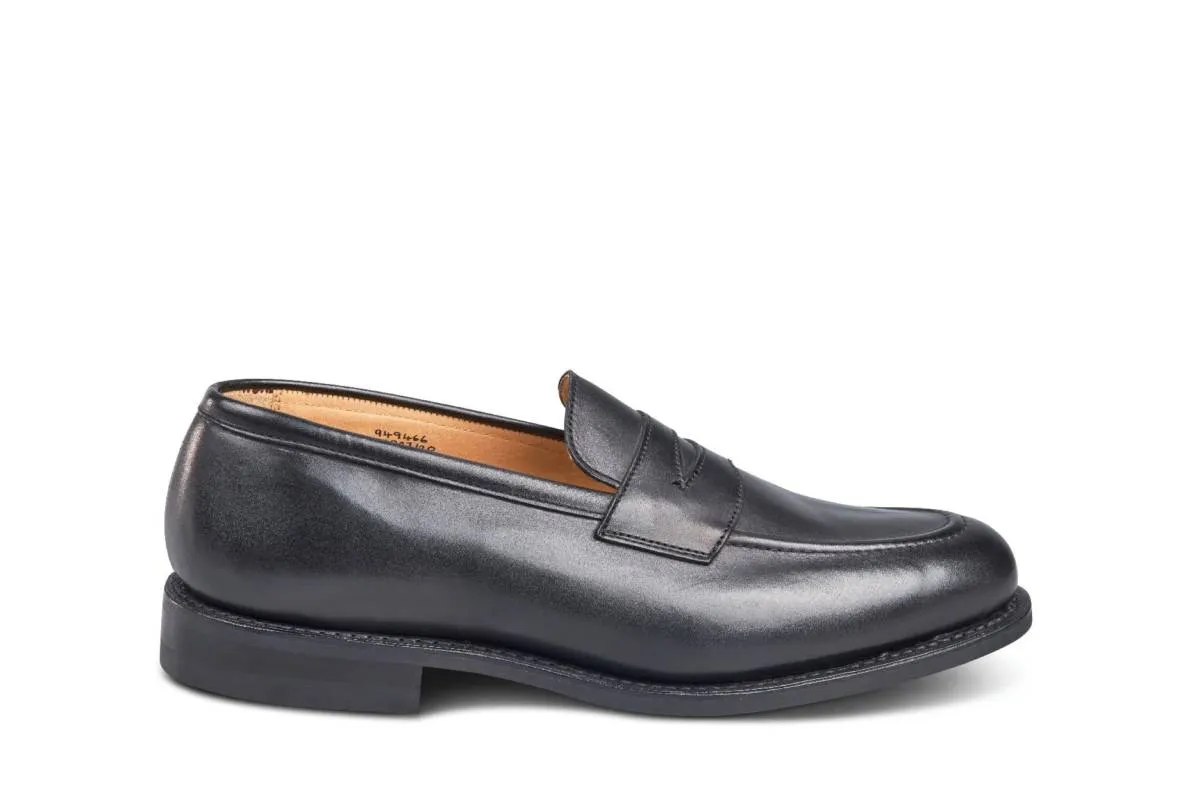
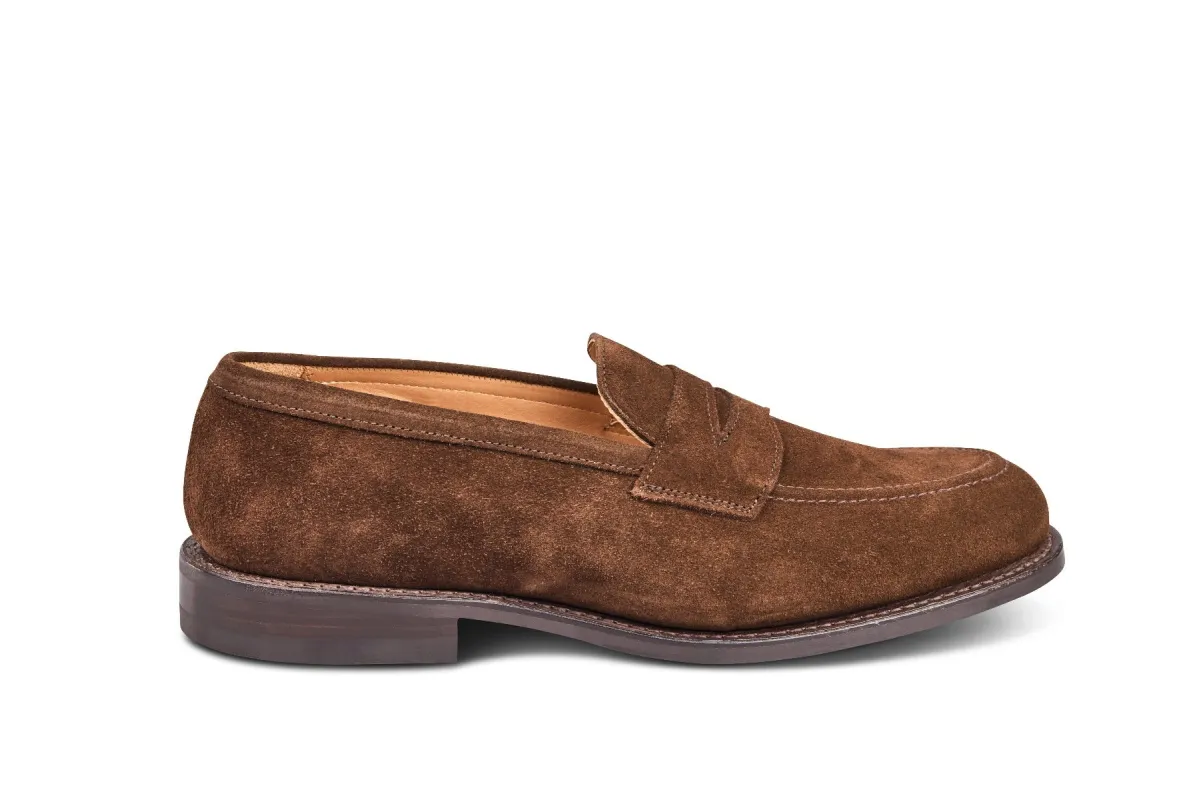
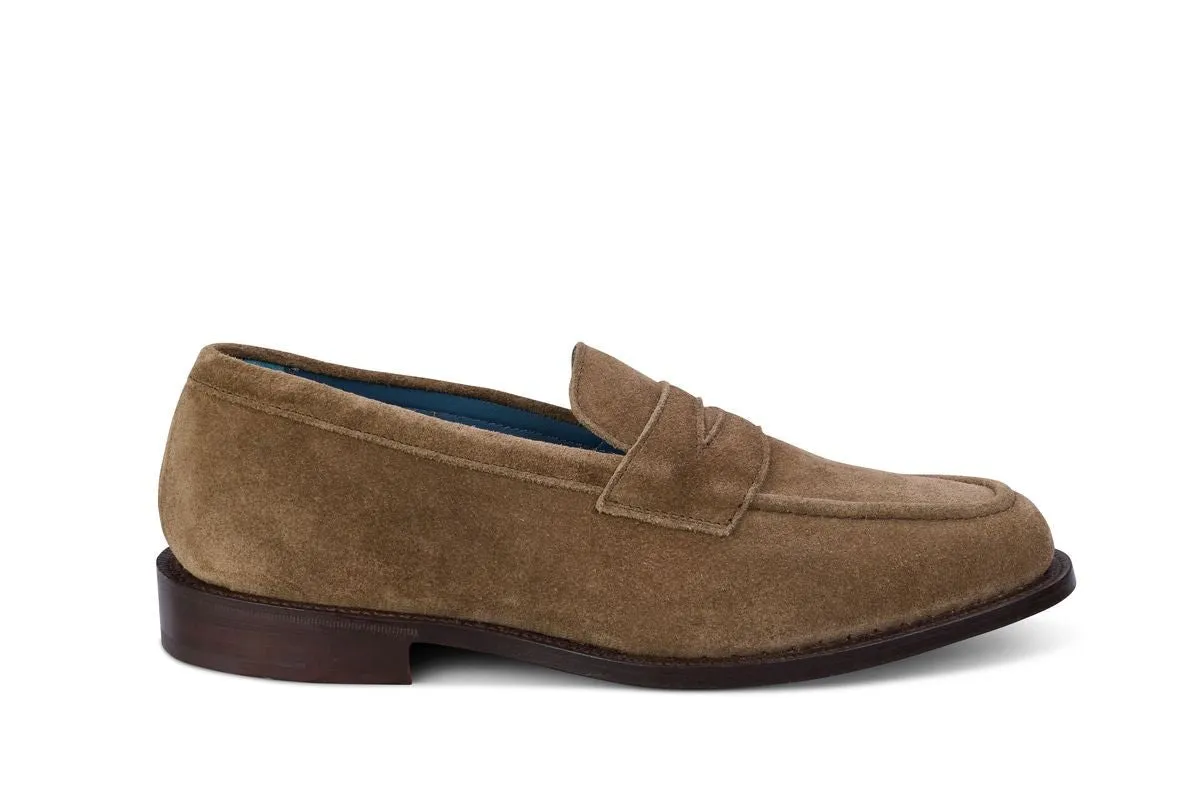
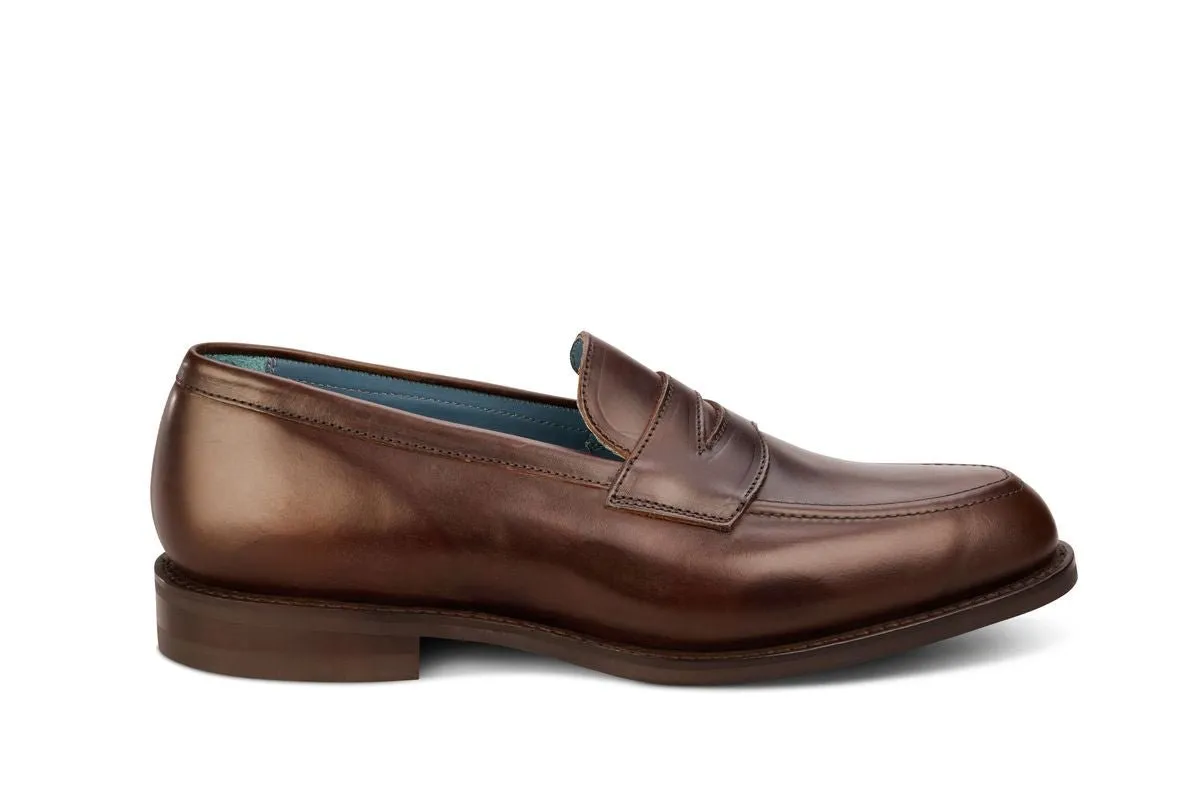
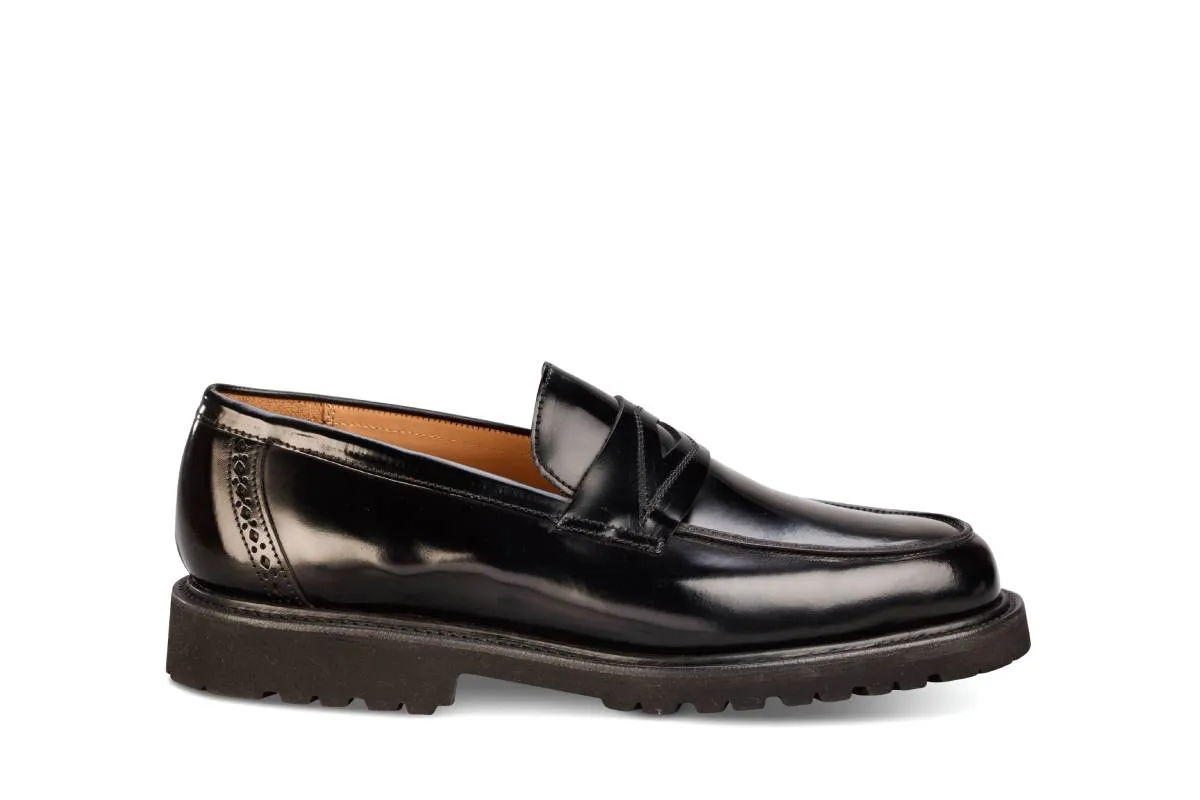
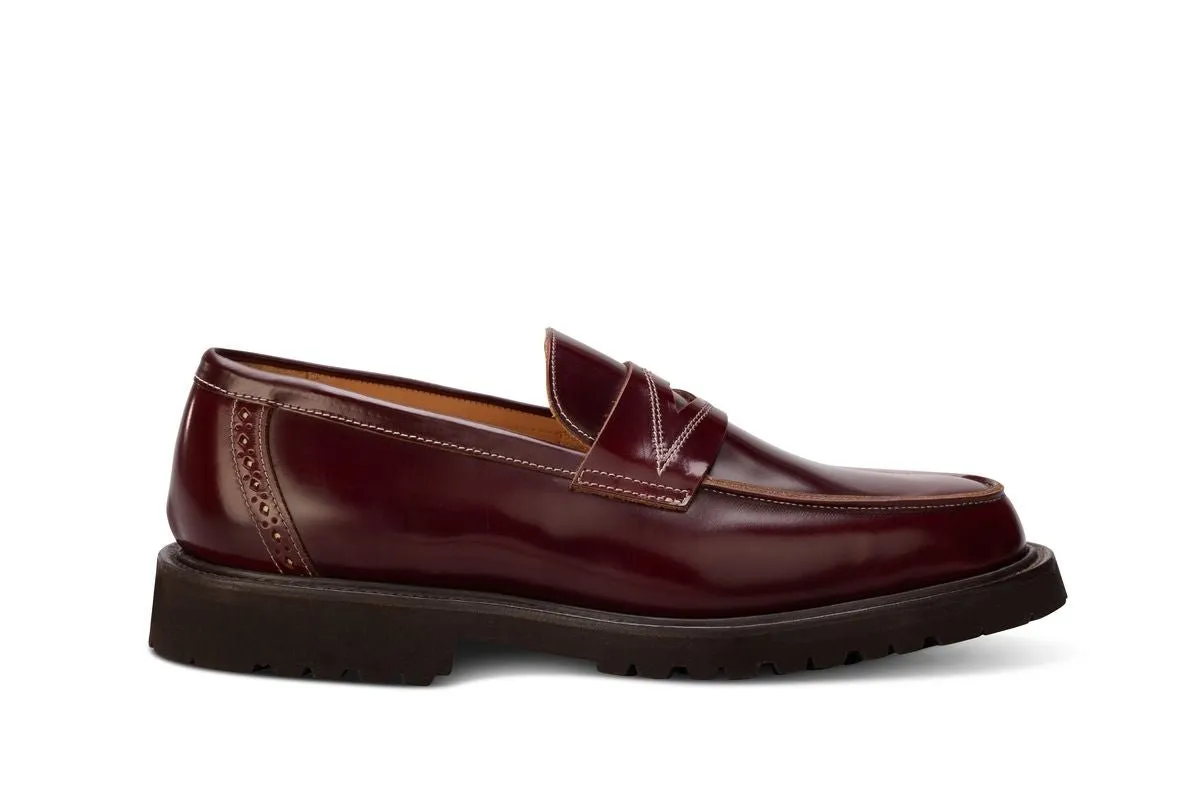
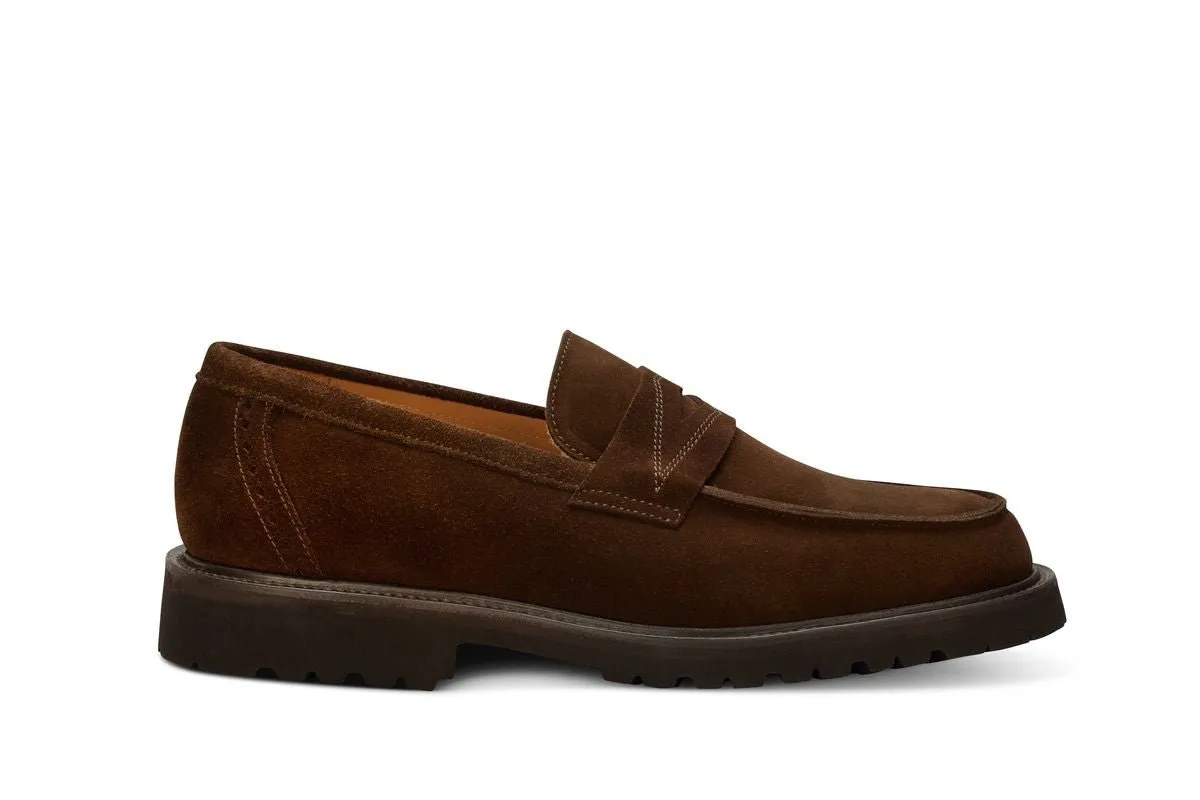
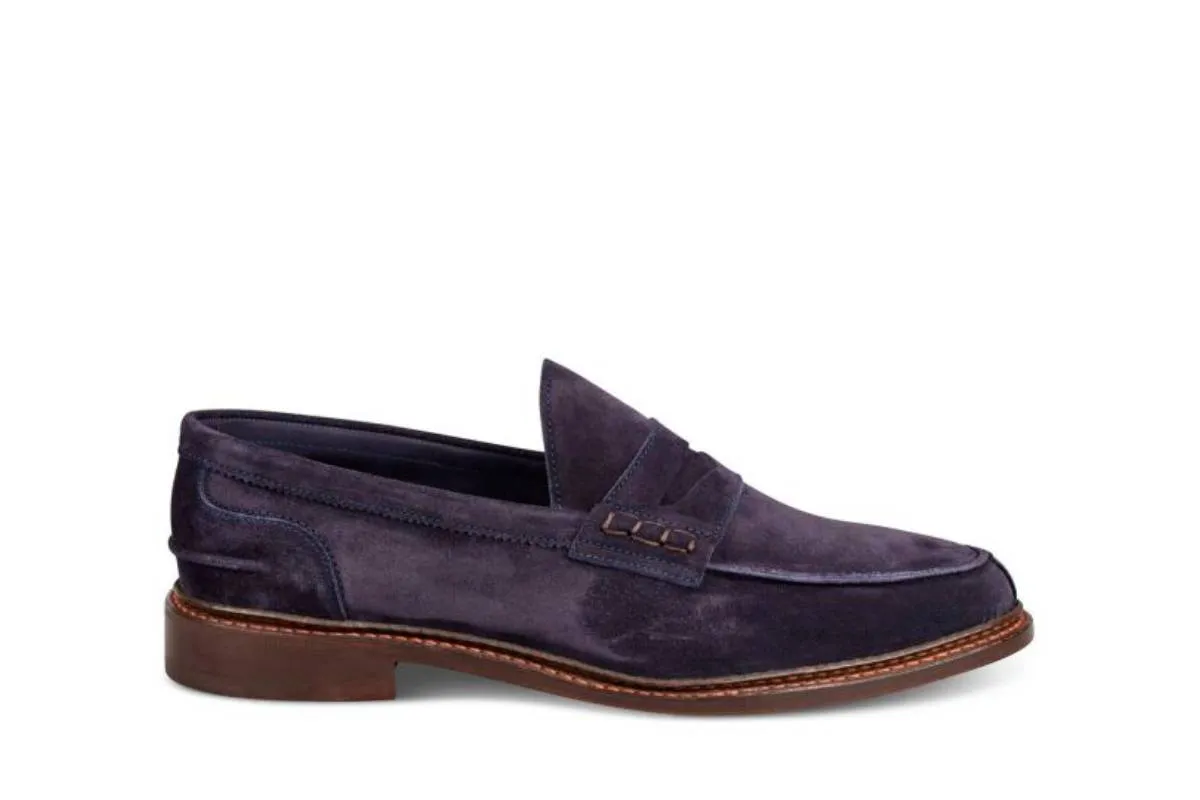
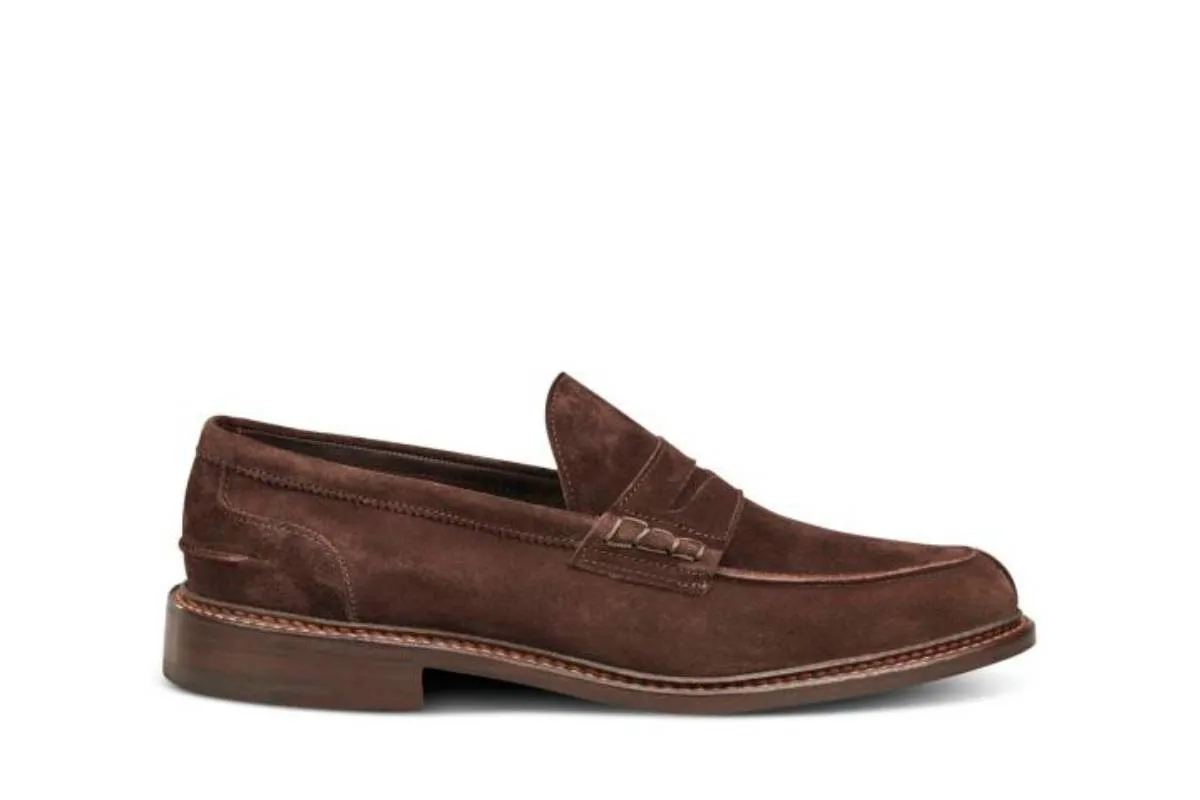
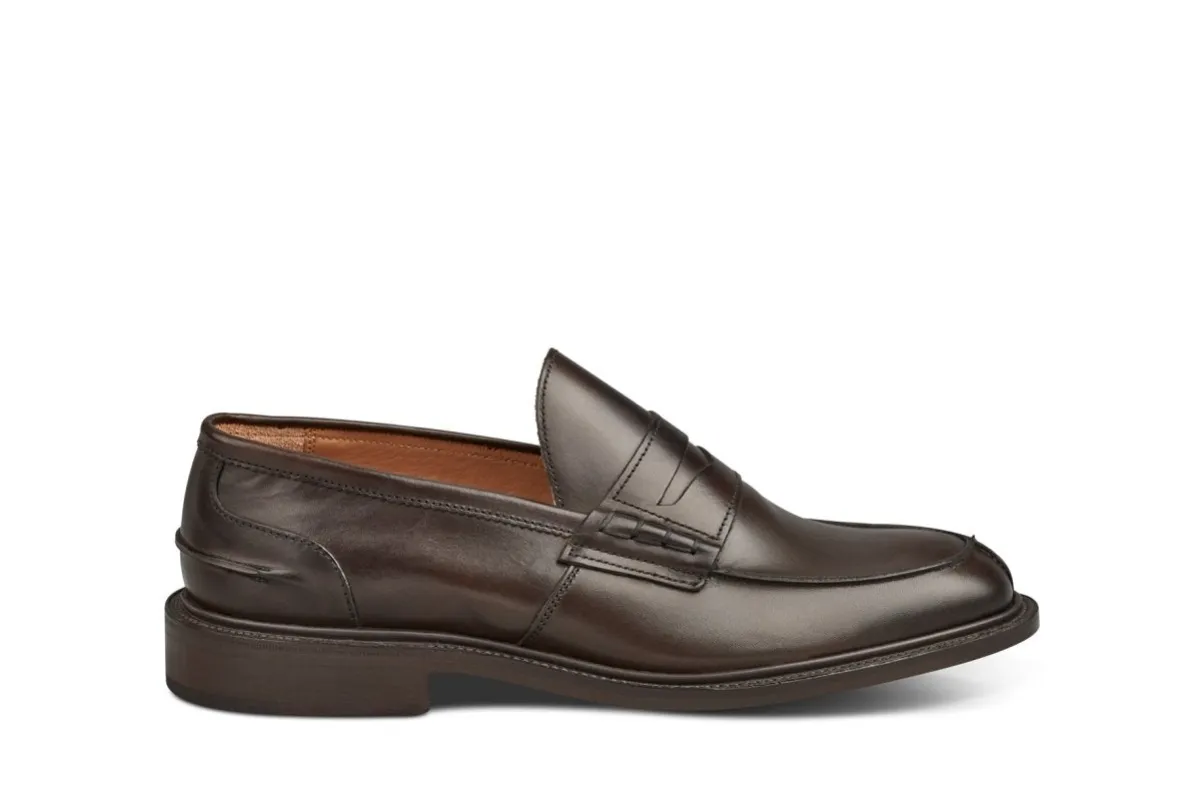
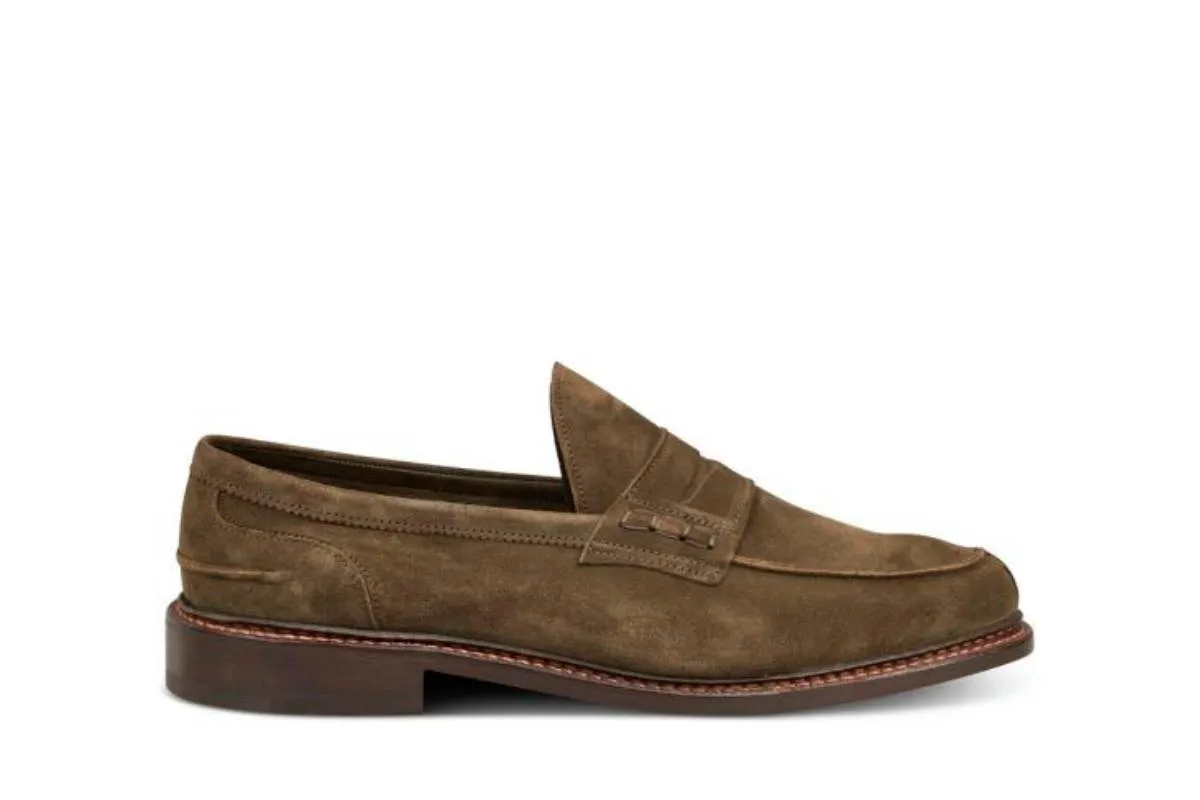
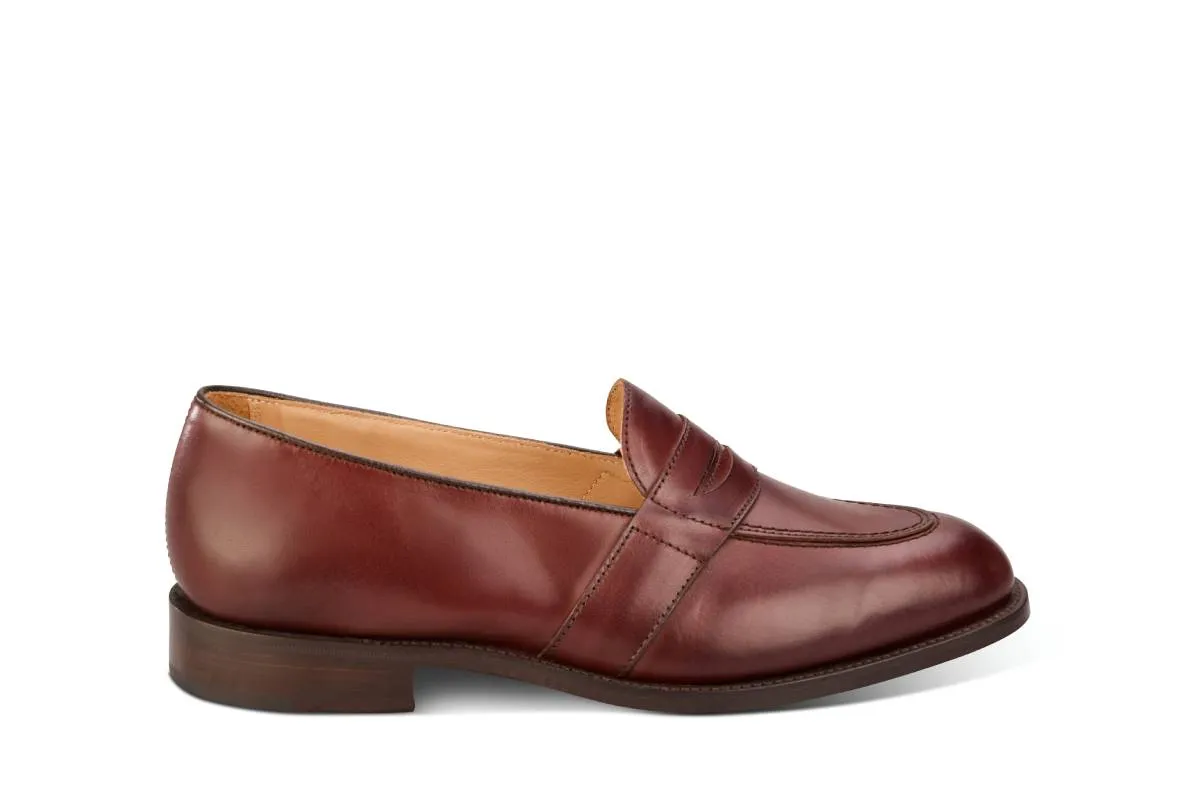
The Adam penny loafer by Tricker's embodies a rich history rooted in early 20th-century design, influenced by Norwegian and Native American footwear. This classic slip-on shoe features a distinctive leather saddle with a shaped cutout, popularized in the 1950s as a stylish choice for young men. Made for both comfort and elegance, these loafers are versatile enough for casual and semi-formal occasions, providing a timeless update to any wardrobe.
From the brand: Adam penny loafer - The loafer style dates back to Norway in the early 1930s. Taking inspiration from the moccasin shoes worn by native Americans in North America, and the simple slip-ons on the feet of Norwegian fishermen, the first design was born.
Popularity grew and export orders were sent across Europe and America. Esquire magazine even featured an article with photographs of Norwegian farmers wearing the shoe in cattle loafing sheds.
Soon after, the Spaulding family of New Hampshire, USA, began manufacturing a similar shoe, called the Loafer. This name later became a generic term used to describe a slip-on, moccasin shoe.
In 1934, G. H. Bass made his first version of the loafer which he called Weejuns. This appears to be a play on words on the origin of the original designer. A distinctive feature of this new design was a strip of leather stitched across the saddle of the shoe, featuring a shaped cutout.
In 1950s America before trainers were invented, the Weejun became the shoe of choice for young men and students. It became fashionable to keep a dime in the half moon cut out slot of the leather strip. This eventually gave the shoes their colloquial name of Penny Loafer, which is still used today.