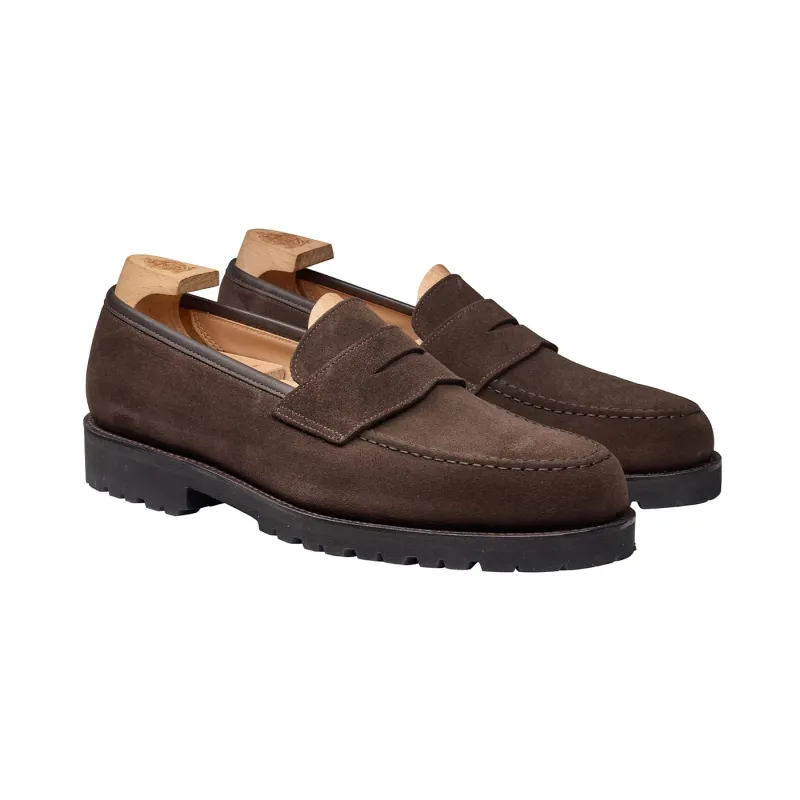
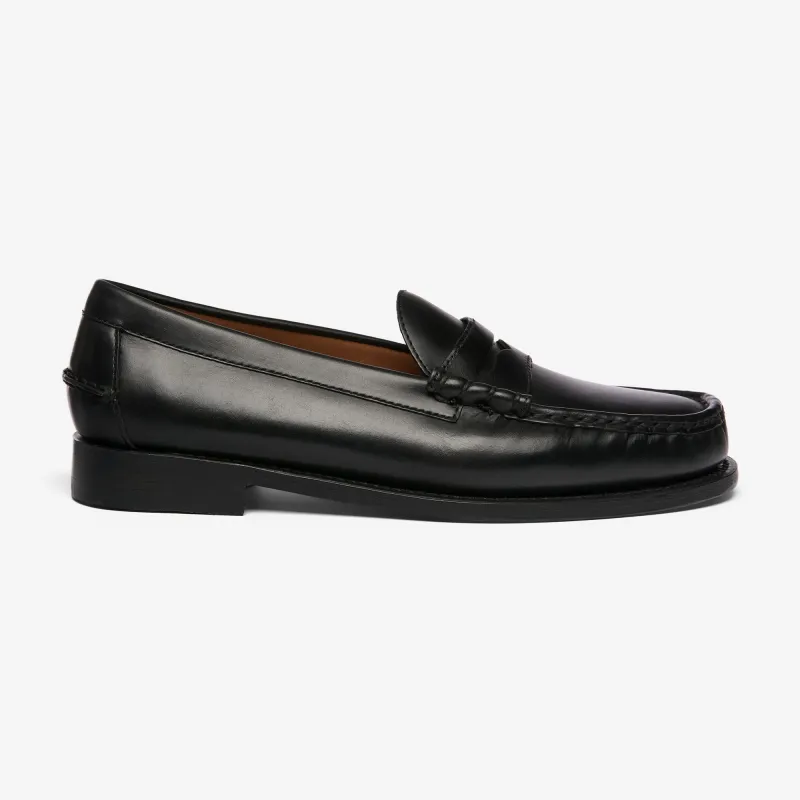
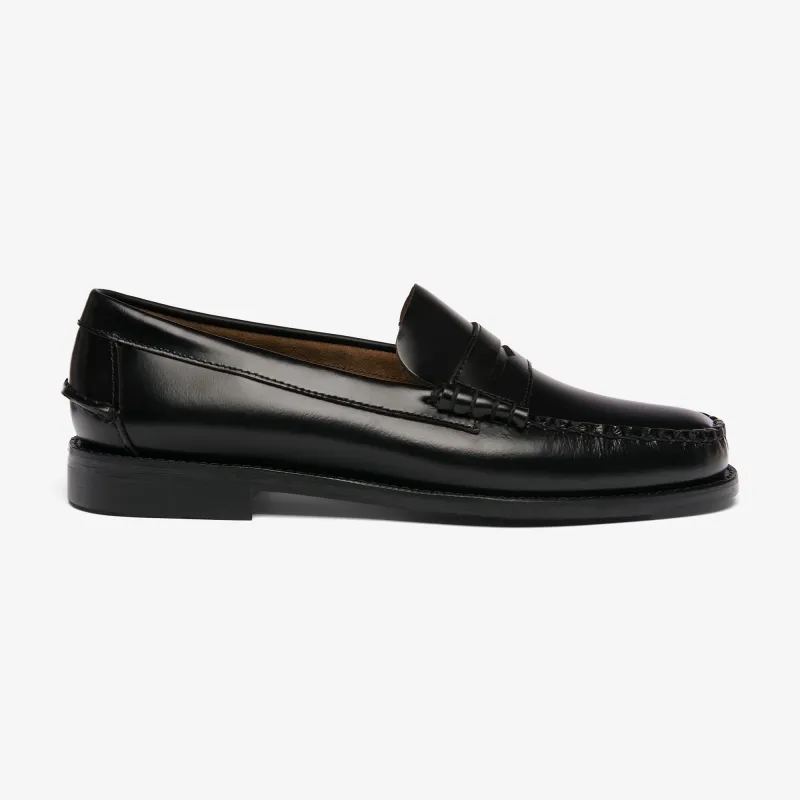
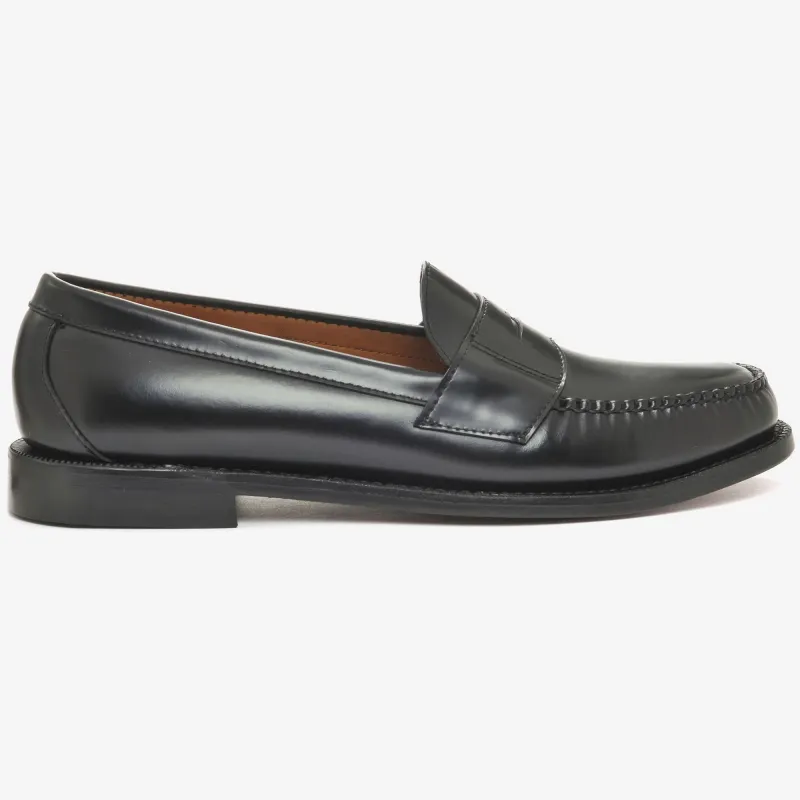
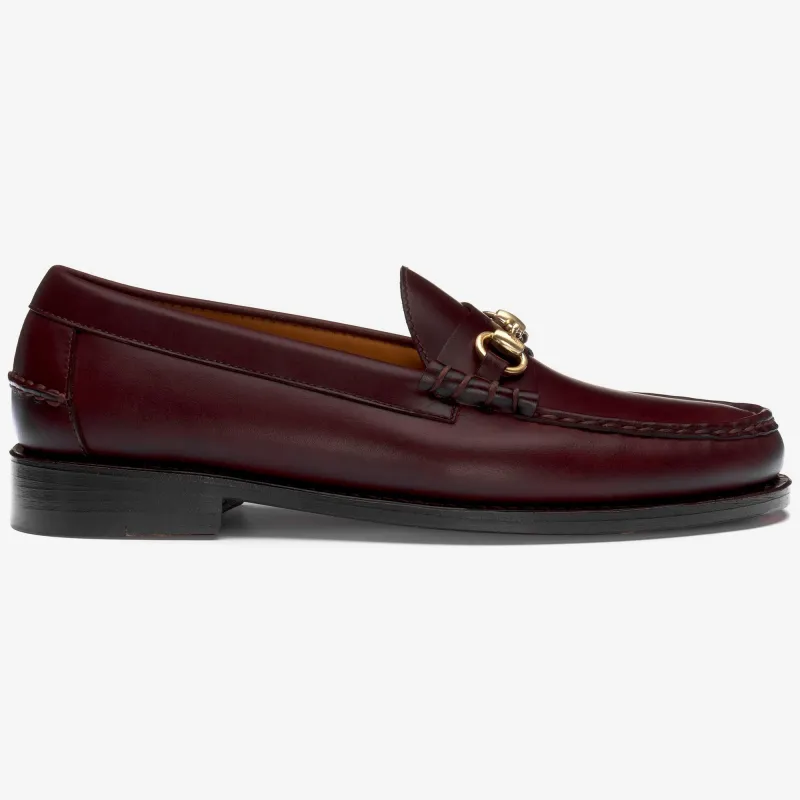
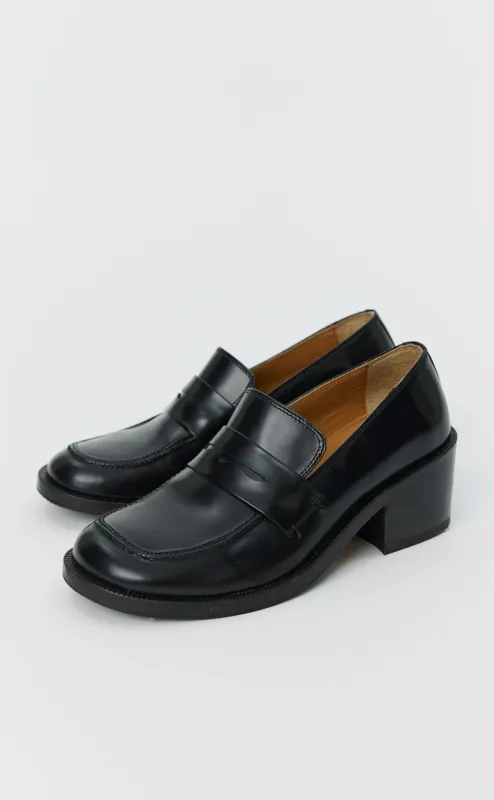
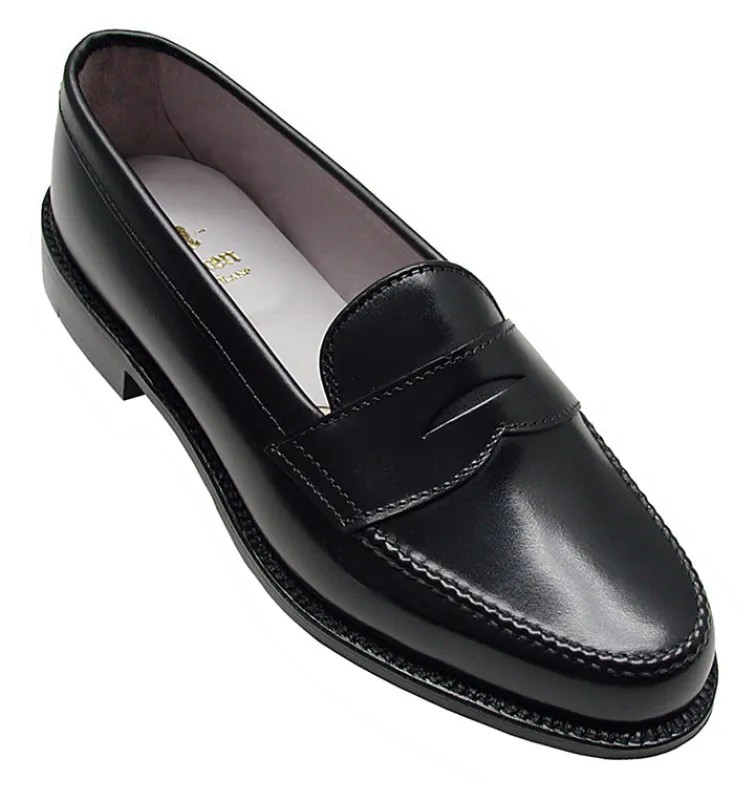
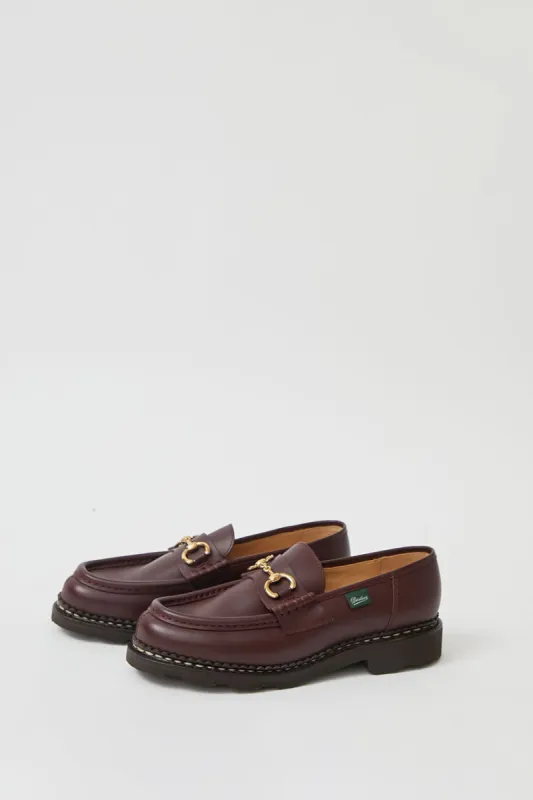
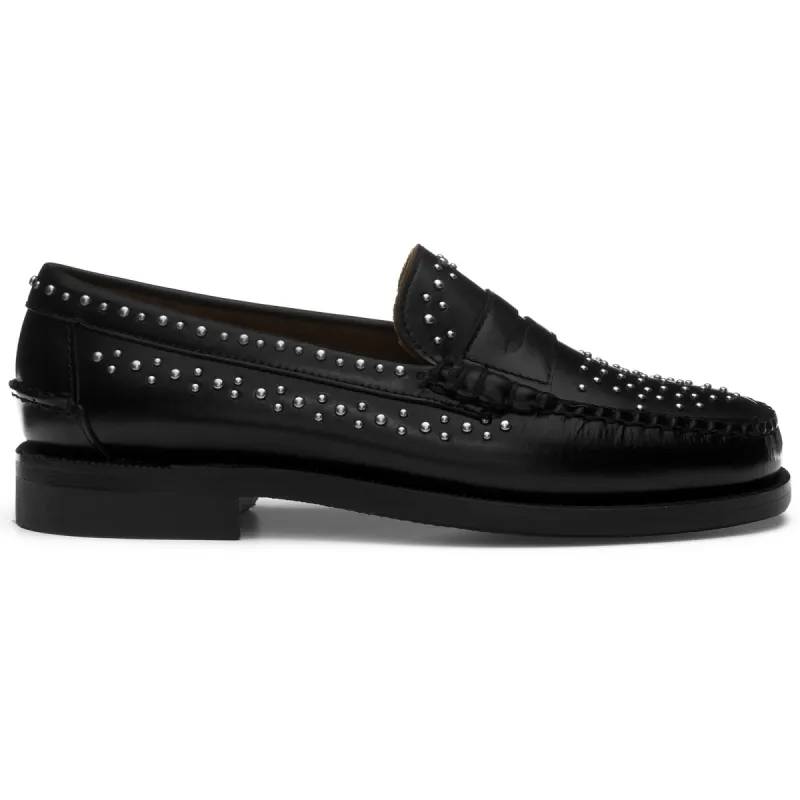
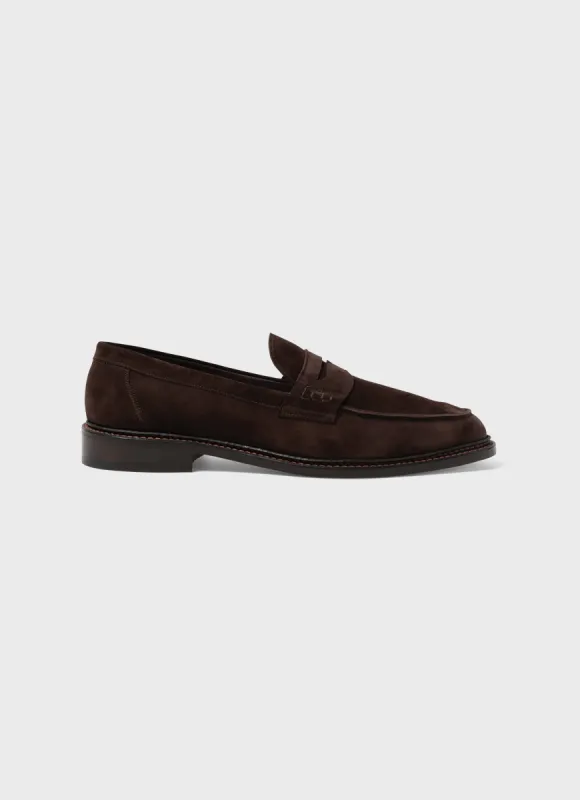
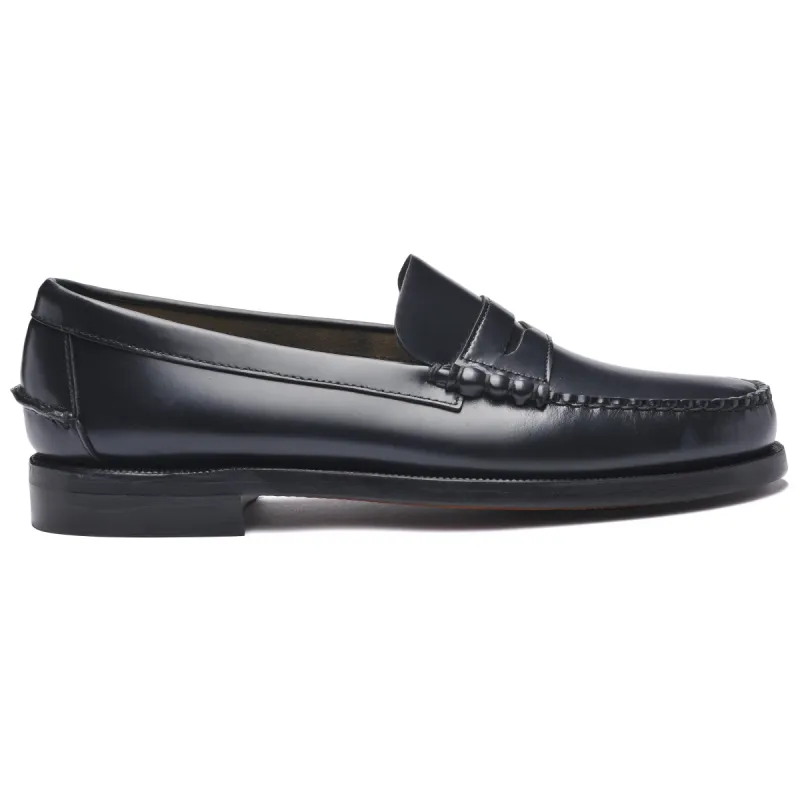
The Tricker's Chicago Penny Loafer embodies classic elegance and comfort, featuring a fully lined design on a Vi-Liter sole for an enhanced fit. Inspired by the timeless moccasin style and the rich history of Norwegian fishermen, this stylish slip-on shoe is perfect for any casual or smart-casual setting. With its unique features and historical significance, it seamlessly blends tradition with modern functionality, making it a must-have for discerning shoe enthusiasts.
From the brand: Tricker's Chicago, A Penny loafer from our archives. Fully lined and on a Vi-Liter sole, to give it a more relaxed and comfortable fit.
The loafer style dates back to Norway in the early 1930s. Taking inspiration from the moccasin shoes worn by native Americans in North America, and the simple slip-ons on the feet of Norwegian fishermen, the first design was born.
Popularity grew and export orders were sent across Europe and America. Esquire magazine even featured an article with photographs of Norwegian farmers wearing the shoe in cattle loafing sheds.
Soon after, the Spaulding family of New Hampshire, USA, began manufacturing a similar shoe, called the Loafer. This name later became a generic term used to describe a slip-on, moccasin shoe.
In 1934, G. H. Bass made his first version of the loafer which he called Weejuns. This appears to be a play on words on the origin of the original designer. A distinctive feature of this new design was a strip of leather stitched across the saddle of the shoe, featuring a shaped cutout.
In 1950s America before trainers were invented, the Weejun became the shoe of choice for young men and students. It became fashionable to keep a dime in the half moon cut out slot of the leather strip. This eventually gave the shoes their colloquial name of Penny Loafer, which is still used today.