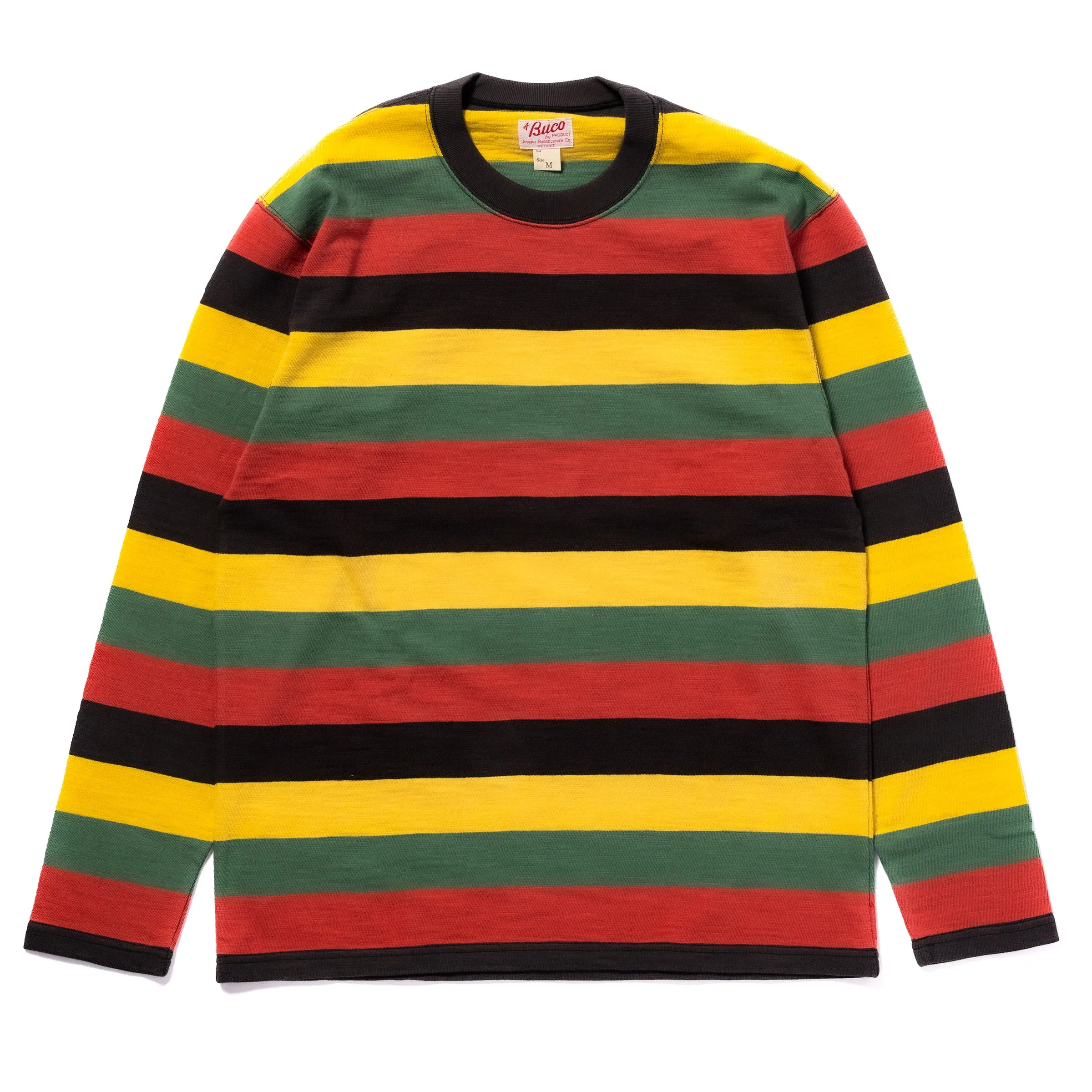
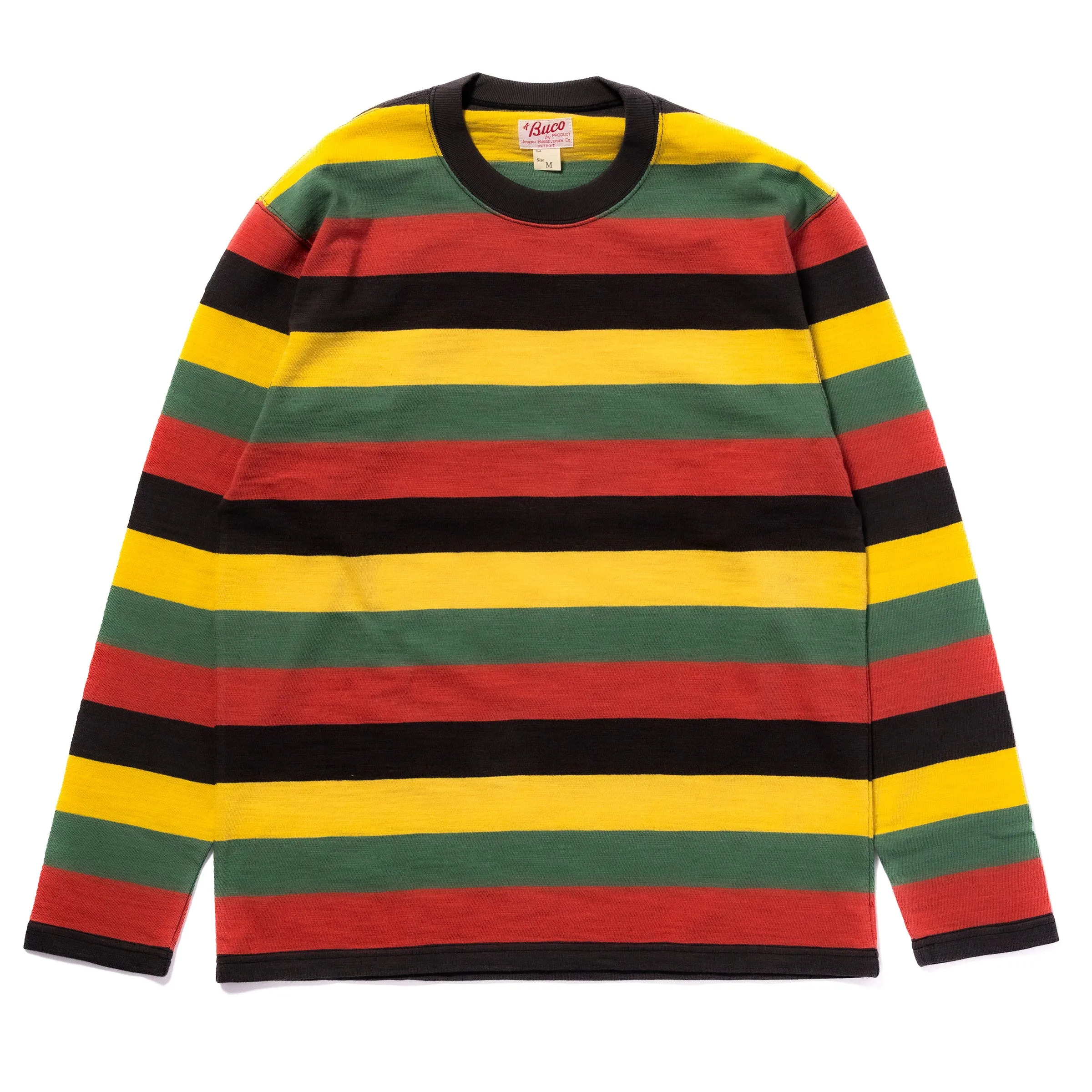
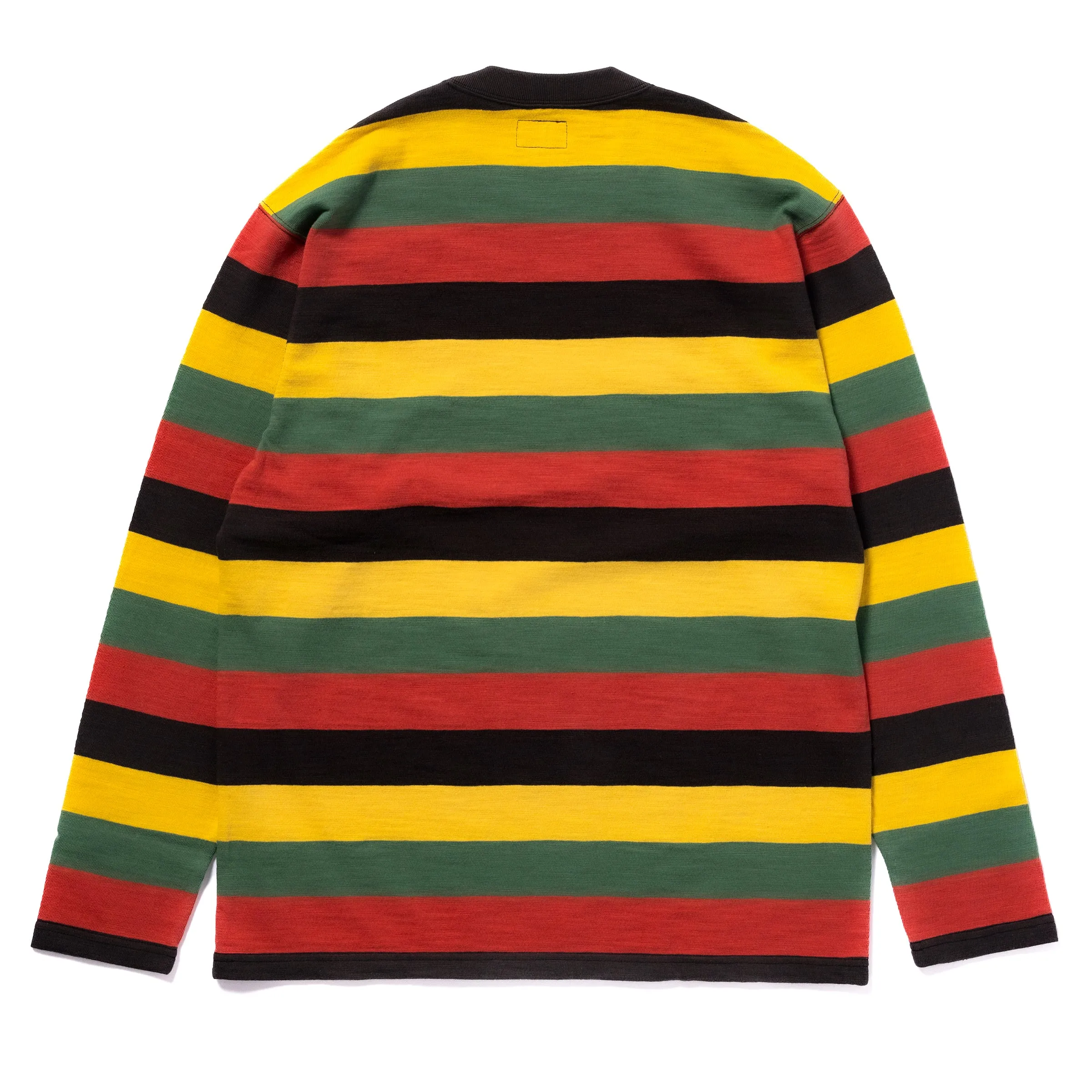
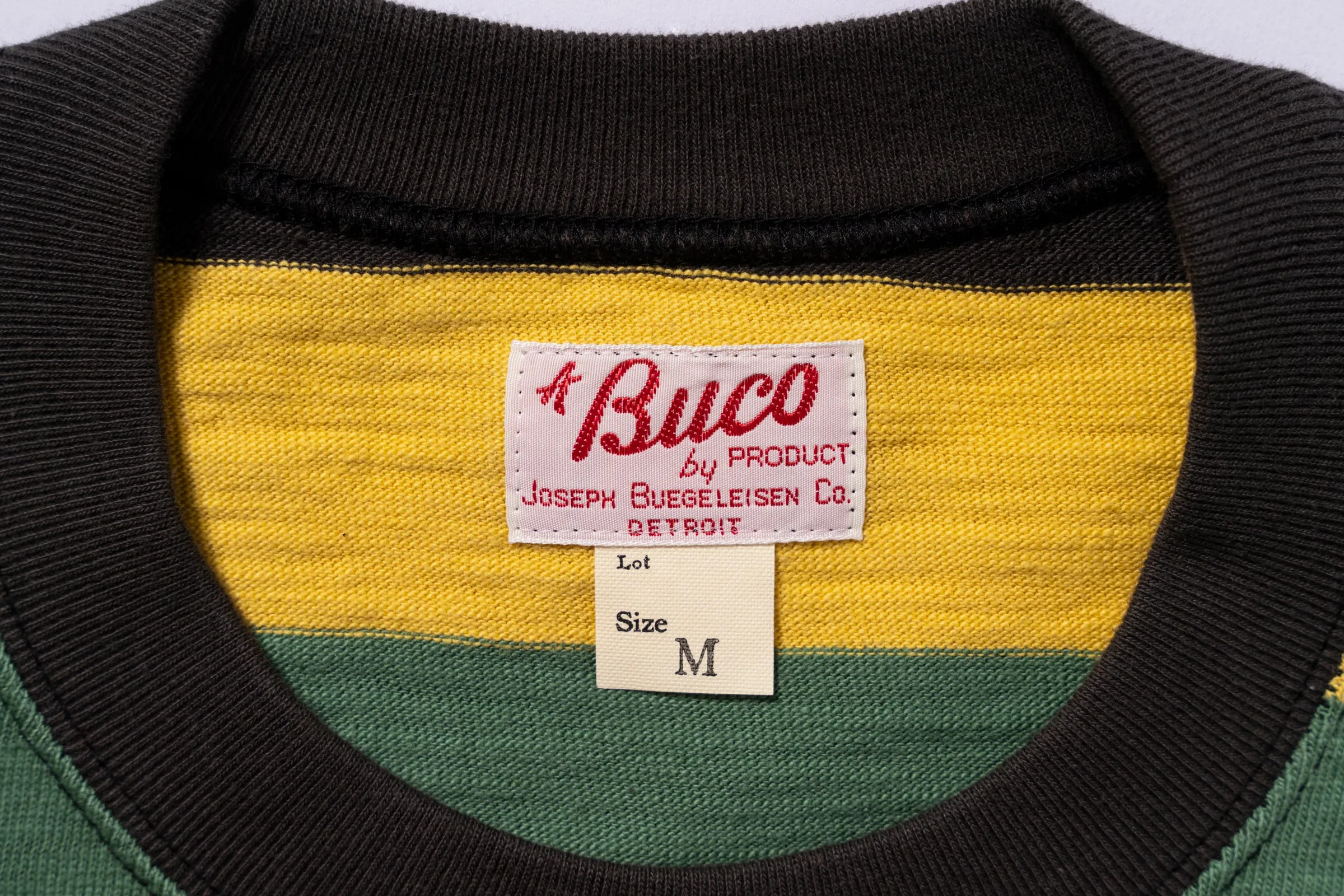
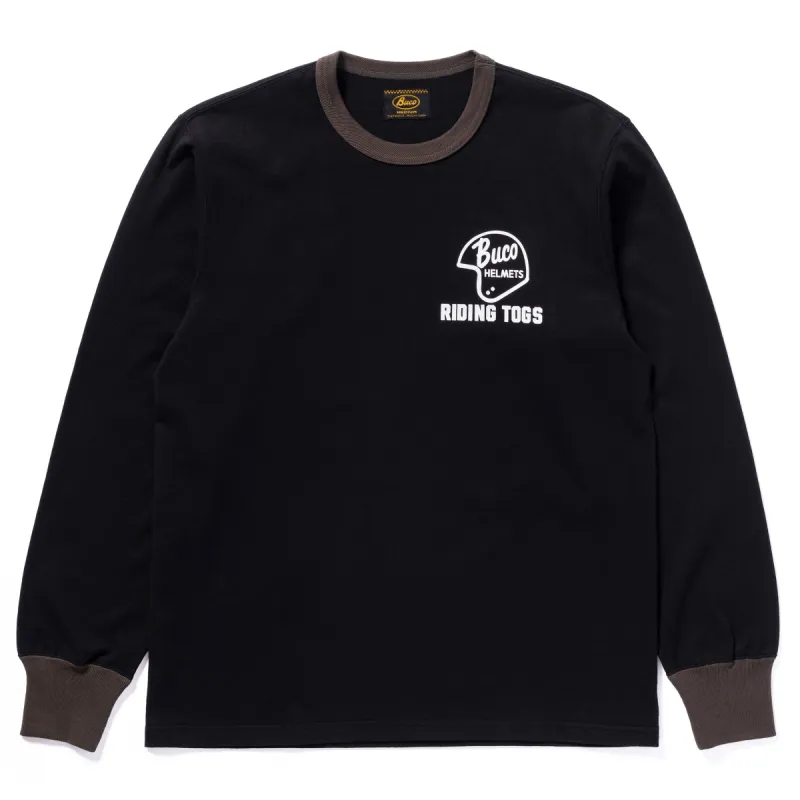
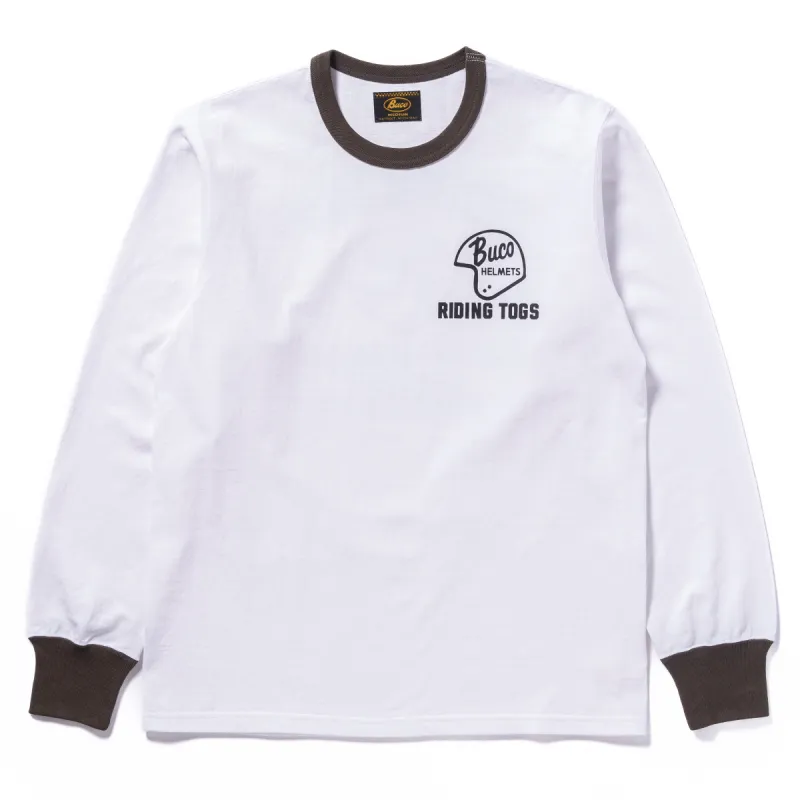
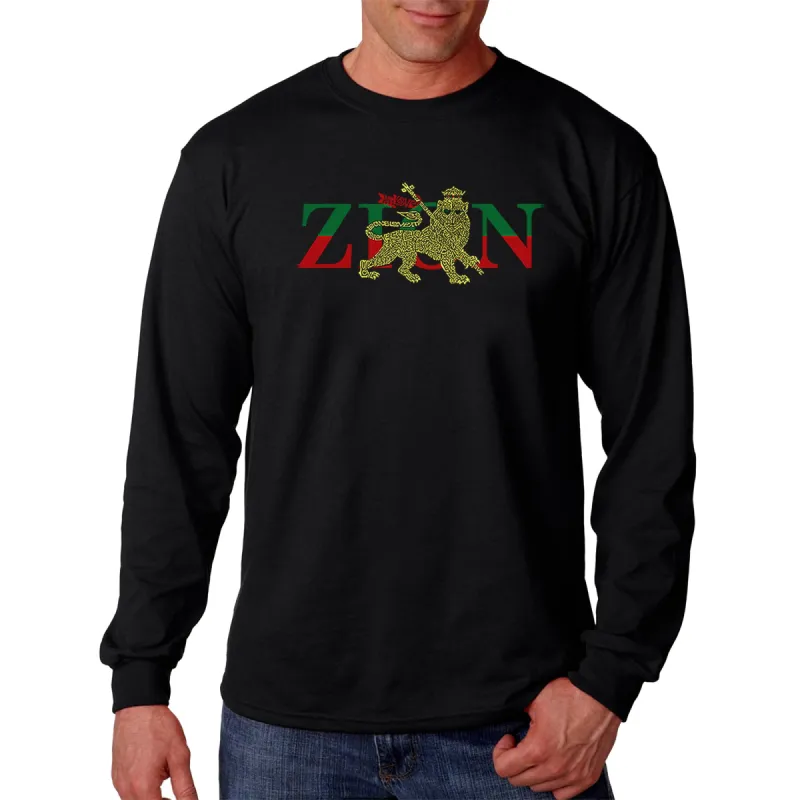
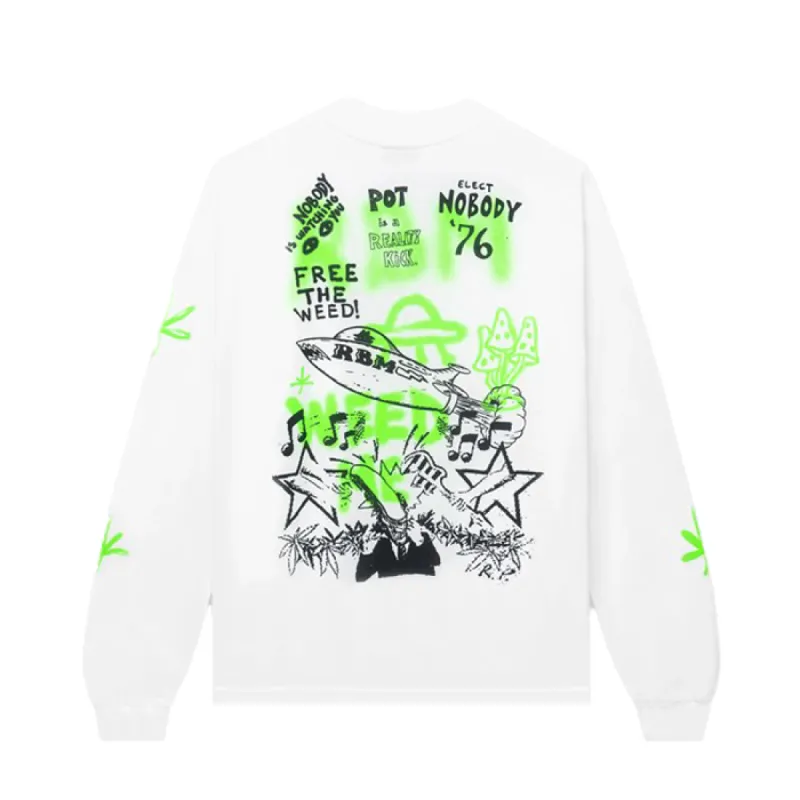
The BUCO STRIPE TEE L/S captures the essence of rebellion and freedom with its bold Rastafari colors, inspired by the rich history of the outlaw biker scene and the anti-establishment spirit of the Rastafari movement. Crafted from 100% cotton jersey in Japan, this long sleeve tee combines comfort and style, making a striking statement whether layered under a jacket or worn solo.
From the brand: The thick stripe tee became a symbol of the outlaw biker scene in the 1950s. Club members embraced these jerseys, often worn beneath biker 'cuts,' as a deliberate rejection of the pre-war motorcycle meet-up's dapper style. For many post-war veterans, motorcycling served as a substitute for wartime experiences, and the act of men socializing post-war inherently embodied an anti-establishment concept.
The media's sensationalizing of the 1947 Hollister Riot catalyzed an association between post-war American motorcycle clubs and misfits and rebels. This affiliation was further solidified by depictions in classic American cinema from the '50s and '60s, where the thick stripe tee became a visual shorthand for a character's anti-establishmentarianism.
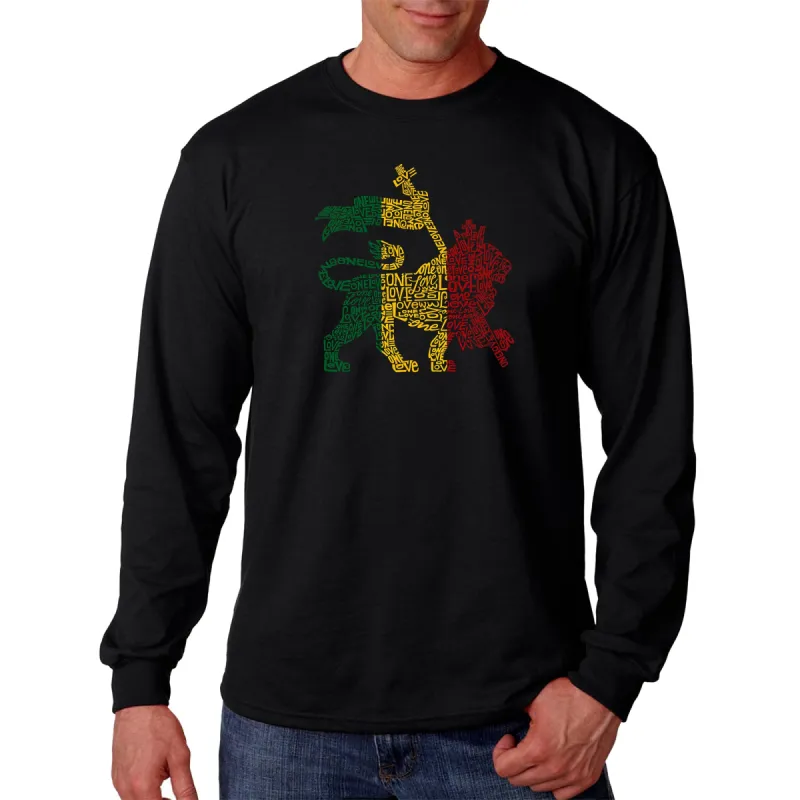
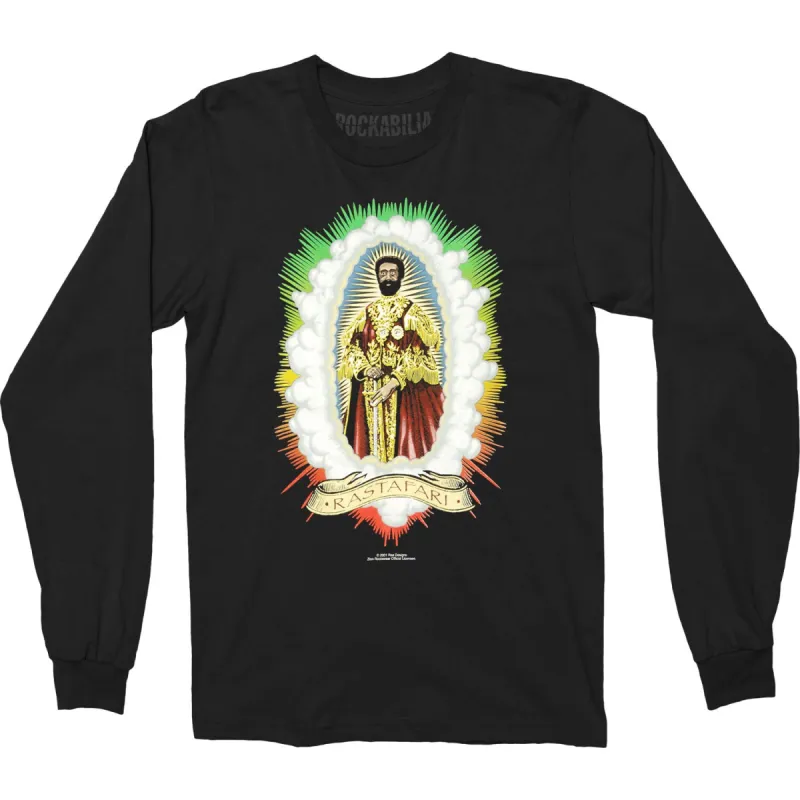
This BUCO STRIPE TEE L/S embraces the universal colors of Rastafari — red, gold, black, and green — a combination reflecting the Ethiopian flag and Marcus Garvey's Pan-Africanism movement. In the early years of the Rastafari movement, strong disapproval and hostility from colonial authorities and mainstream Jamaican society were commonplace due to their unwavering anti-establishment social and political beliefs.
As the movement gained global notoriety in the '70s, particularly with the rise of reggae artists like Peter Tosh and Bob Marley, these colors assumed new meanings — resonating with love, consciousness, and the embrace of marijuana as a symbol of freedom.
100% Cotton Jersey
Cotton Sewing Thread
Made in Japan