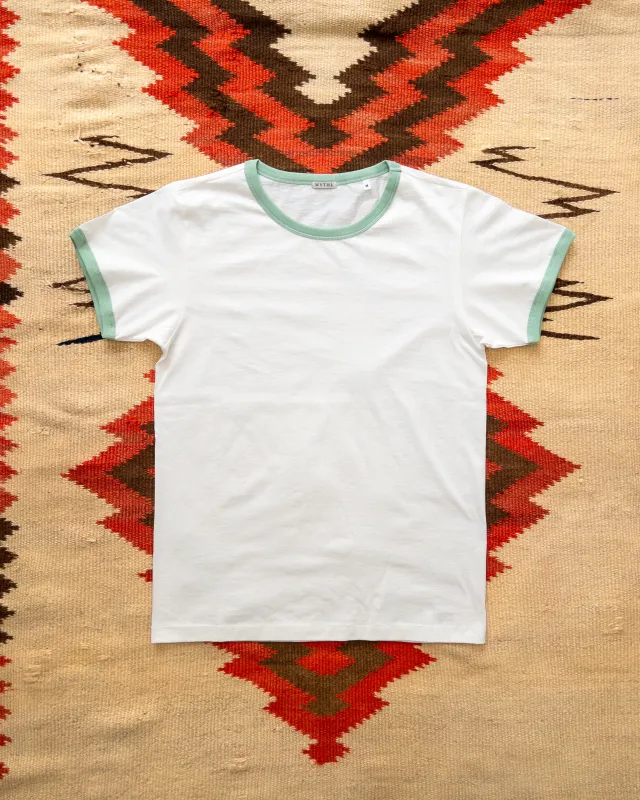
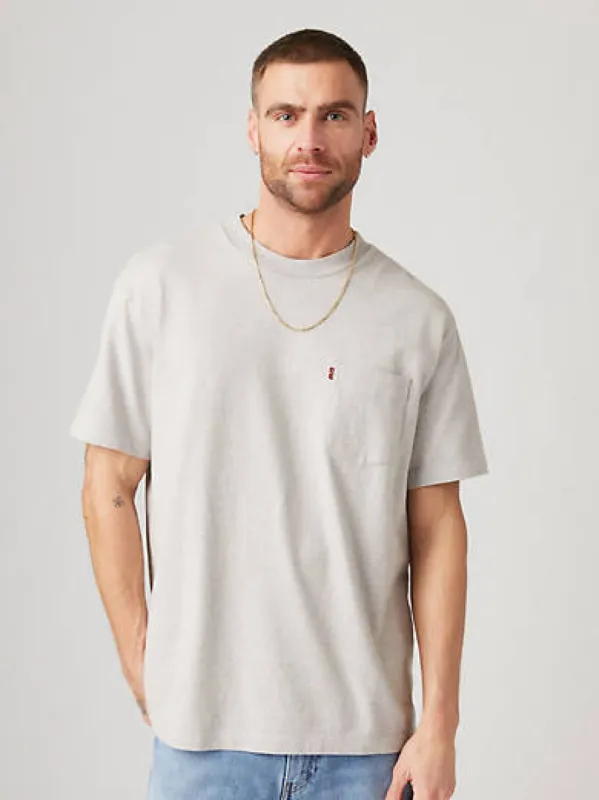
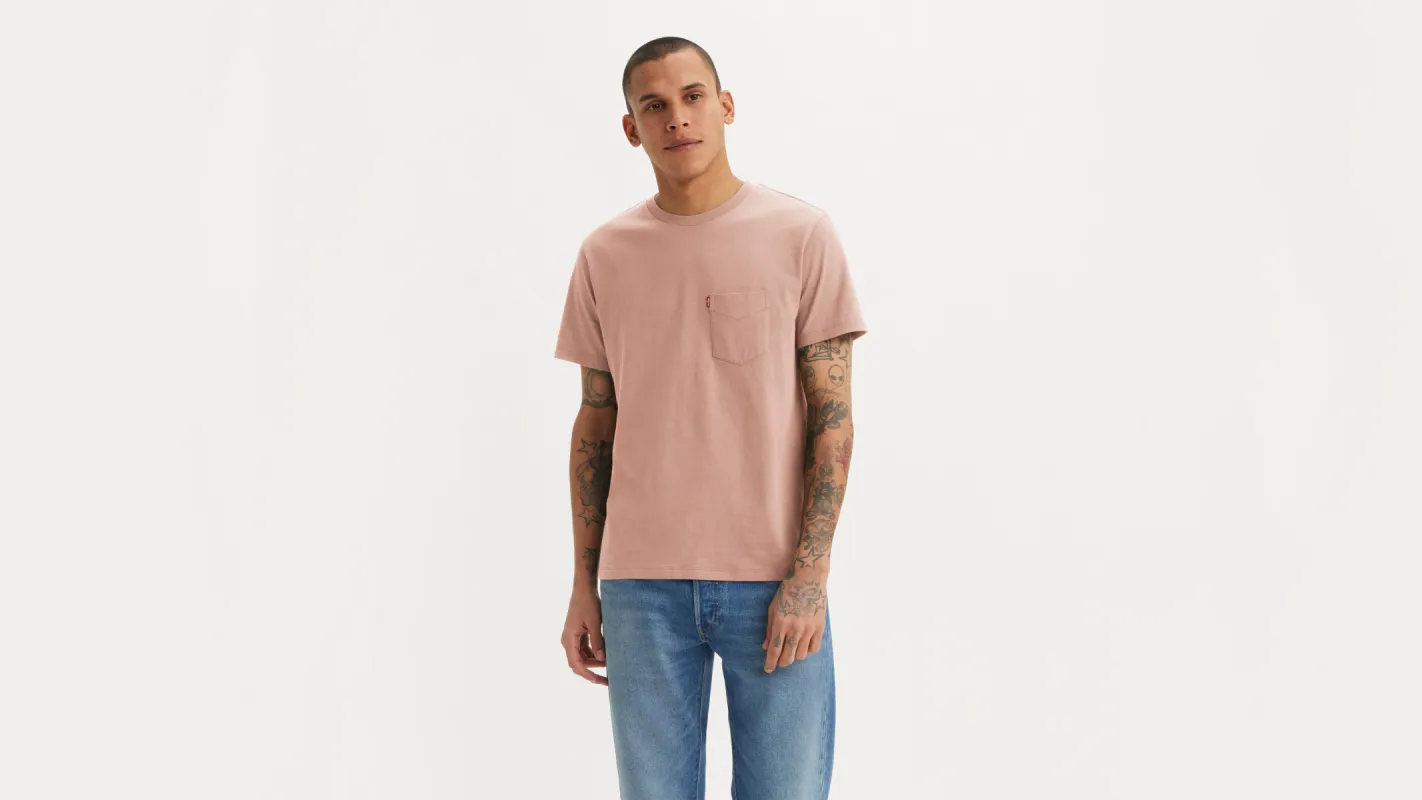
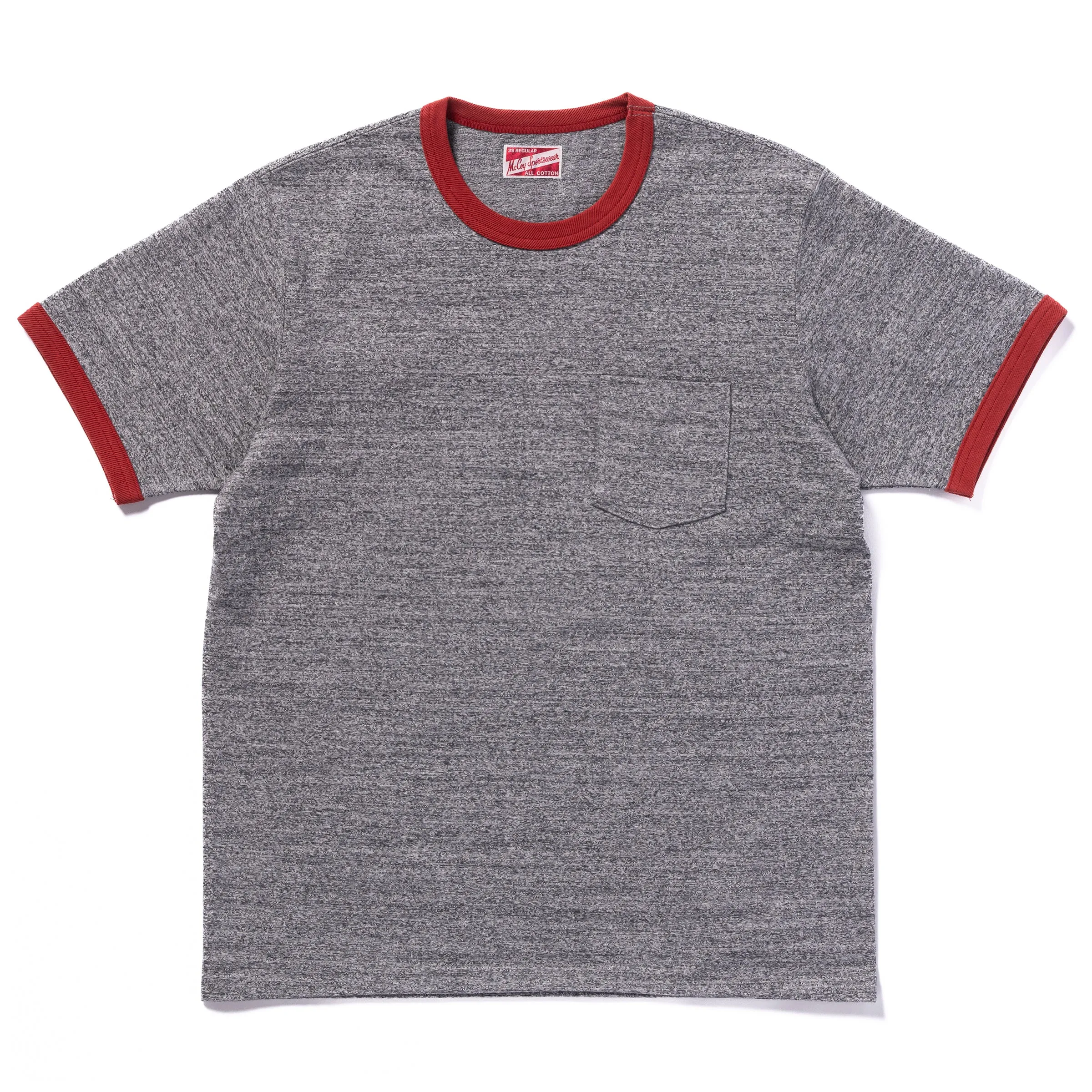
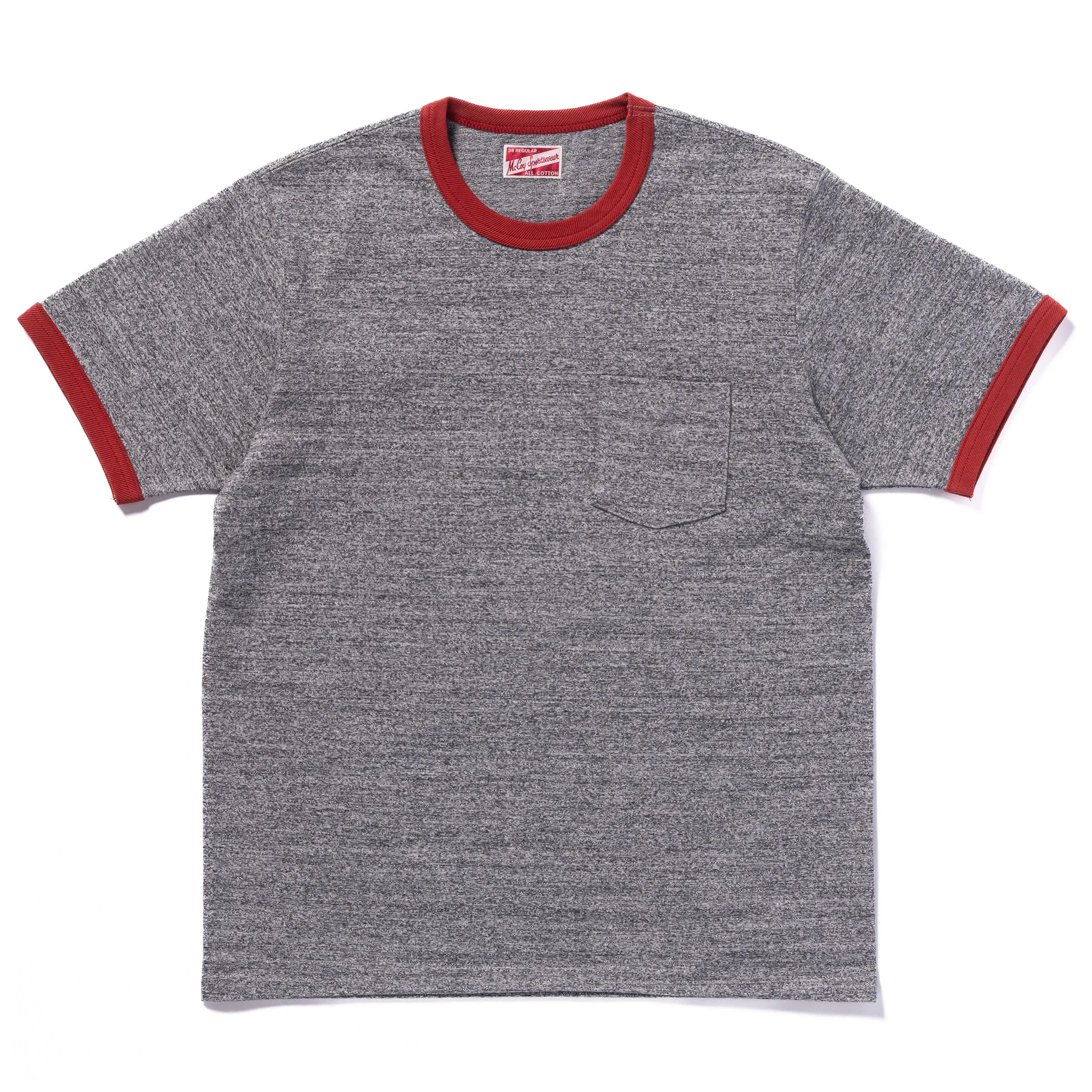
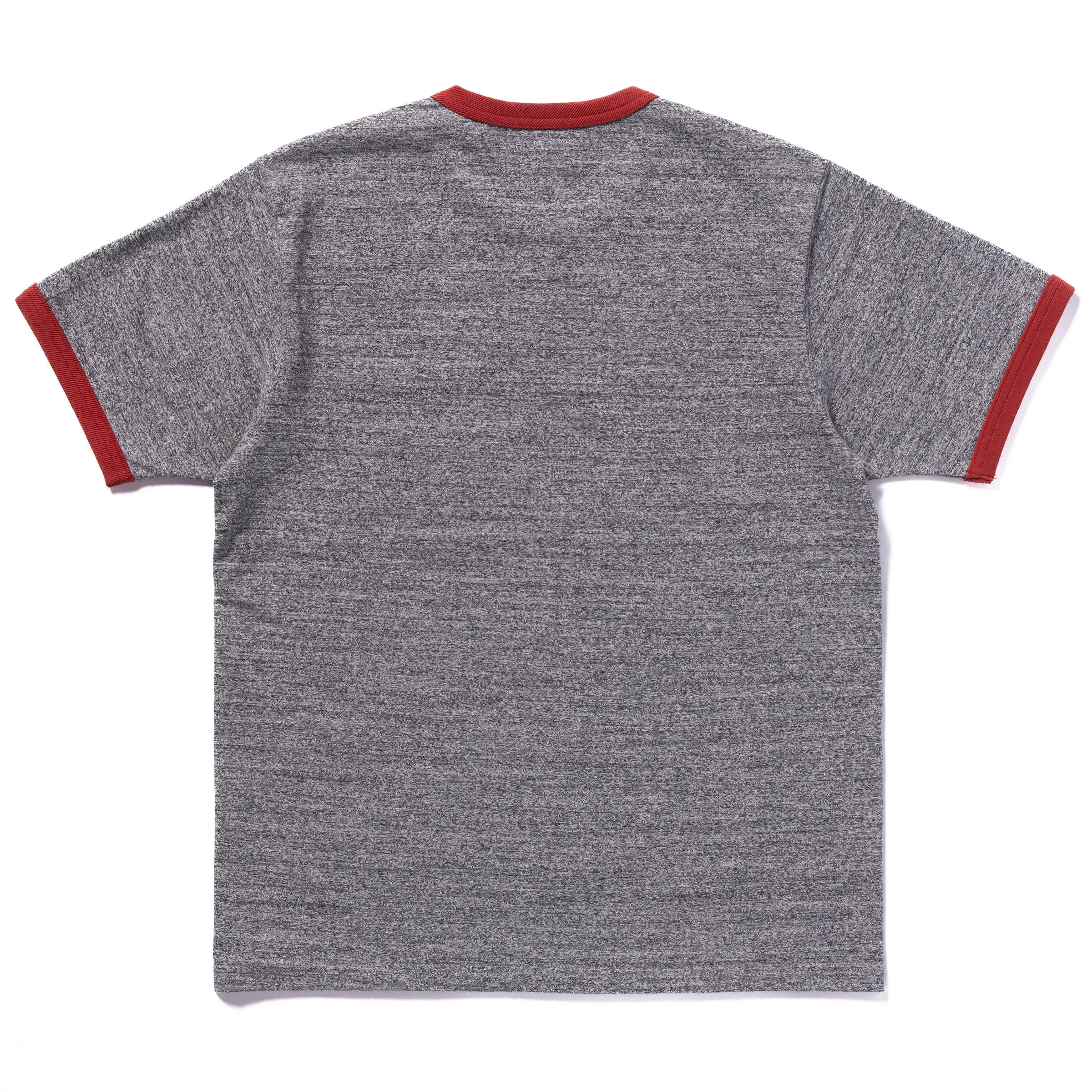
Crafted from 8oz. cotton, this heather grey ringer tee combines vintage style with modern comfort. Featuring a boxy, slightly cropped fit and a contrast red collar and cuffs, it embodies the athletic spirit of the 1950s. The tubular-body construction ensures durability, while a single chest pocket enhances practicality. Perfect for casual outings or layering, this iconic piece celebrates a rich history as a staple of American youth culture and a versatile addition to any wardrobe.
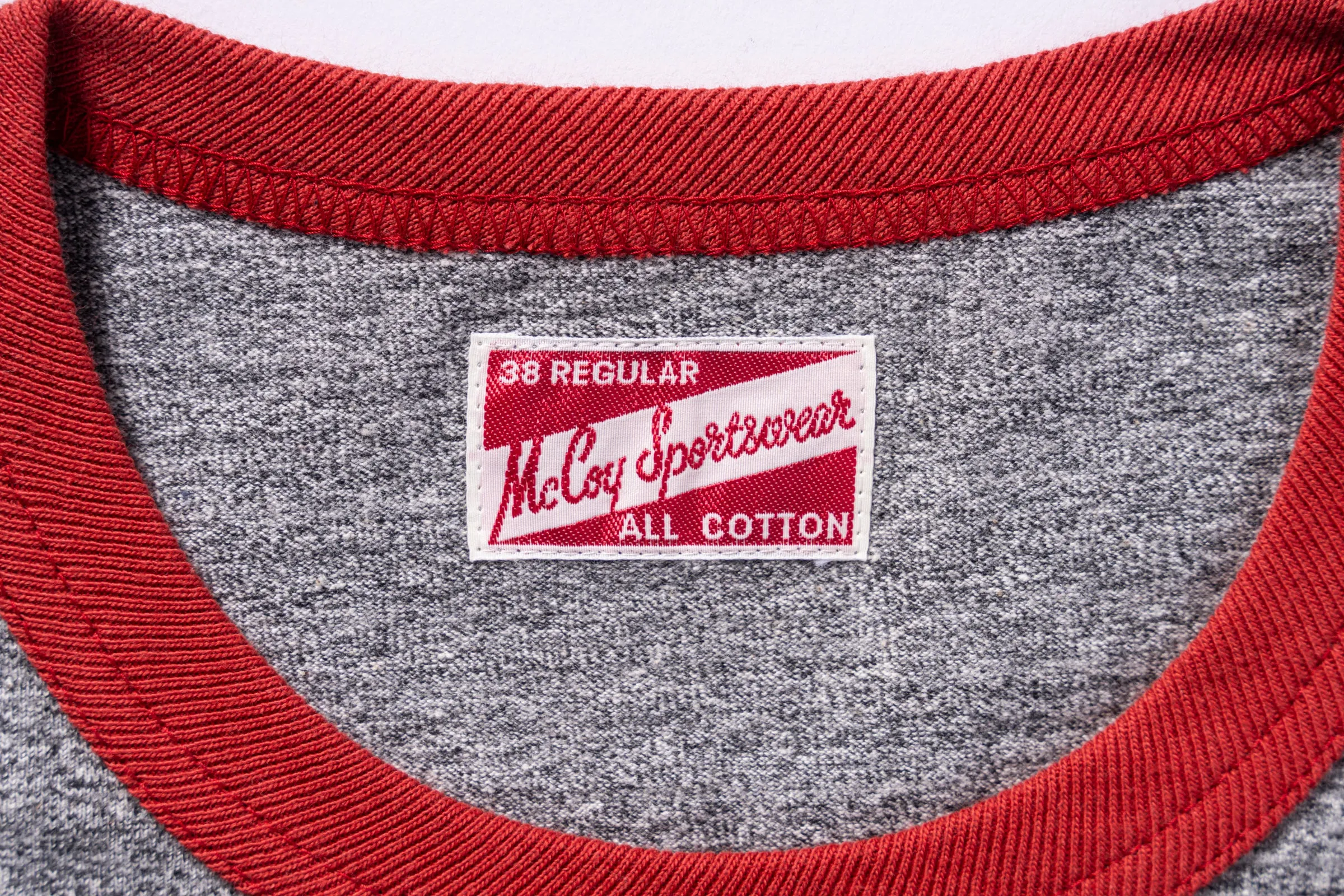
From the brand: A Heather Grey, 8oz. Cotton, Ringer Tee - true to those popular in 1950s Sportswear with its boxy, slightly cropped vintage-style fit. Built using a tubular-body construction with no side seams and ribbed with
charcoal scarlet red
collar & cuffs.
The finish of this Gray Melange Pocket Tee is made by blending different colored fibers into one yarn. The resulting marled texture and color ‘Heather’ - named for the Heather Plant - is synonymous with athletic training apparel from the 1920s - ‘50s. The reasons for its invention are numerous, amateur sports teams often played in solid black, white or hooped jerseys when the cost of colored dyes was still prohibitive and the introduction of a gray fabric for sweatpants and sweatshirts, often worn while warming up or on the benches was beneficial for its neutrality. But achieving a consistent gray color was challenging with the technology of the time. The Heather finish was extremely forgiving in production, which benefited the factory’s bottom line with a higher yield of fabric and was ideal for sportswear, with the distortion effect meaning stains were harder to see, while the resilience of the fabric could be improved by using a mix of fibres.
The Pocket Tee
The American Staple Crewneck Tee emerged at the turn of the century, marketed as a buttonless undershirt. Initially, these garments were designed as an undergarment for bachelors, who often struggled with sewing buttons back onto shirts and were officially adopted by the U.S. Navy as part of its uniform during World War I, contributing to the garment's wider recognition and use.
Conceived exclusively as an undergarment, the t-shirt remained unadorned for the first 50 years of its existence, except for those modified by factory workers, who were known to sew pockets onto the left chest to carry cigarettes and hardware when working in high temperatures.
After World War II, crewneck tees became increasingly popular. Veterans continued wearing them, contributing to their normalisation as casual wear and the watershed moment in the acceptance of T-shirts as public attire came in the 1950s. Hollywood, played a significant role in this transformation. Marlon Brando and James Dean began wearing T-shirts in their films, redefining the T-shirt from an undergarment to a fashion item amongst the newly coined ‘teenager’.
With this proliferation, manufacturers of the time looked for ways to distinguish themselves in the market, and so by the mid 50s, the Pocket Tee entered mass-production, becoming an iconic symbol of American Post War youth culture and blue collar identity.
Single Chest Pocket
Contrast ‘Ringer’ Ribbing
Cotton Fabric, 8 oz.
Tubular Design
Cotton Sewing Thread Construction
Made in Japan

![[2026SS] 5504-1 Print T “SANTA MONICA” VE (Vintage Effect) made by Full Count](https://d141zx60z515qt.cloudfront.net/mpfaad460bdb/pr68df5a749053c346cf5d8917/img70295_800w.webp)