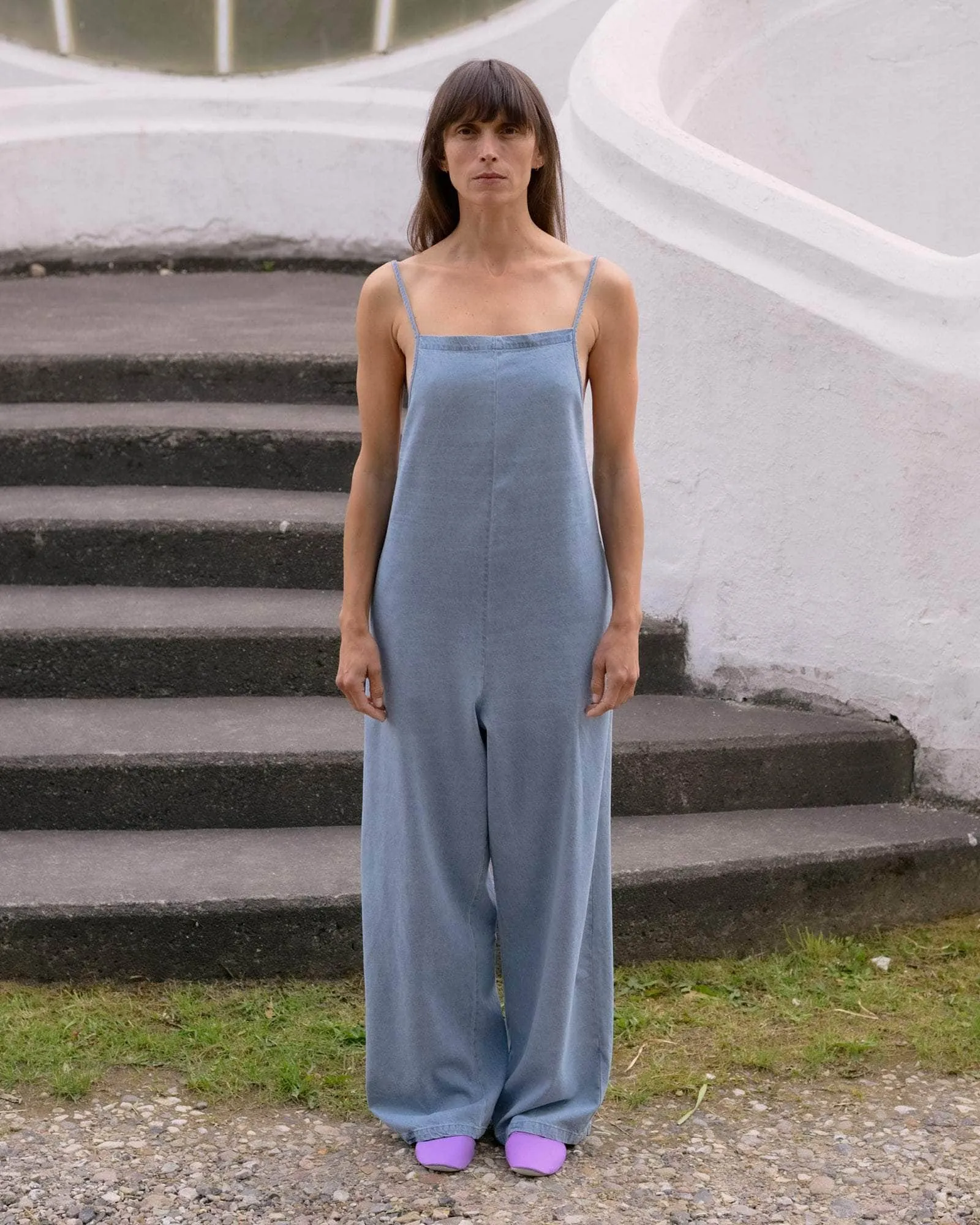
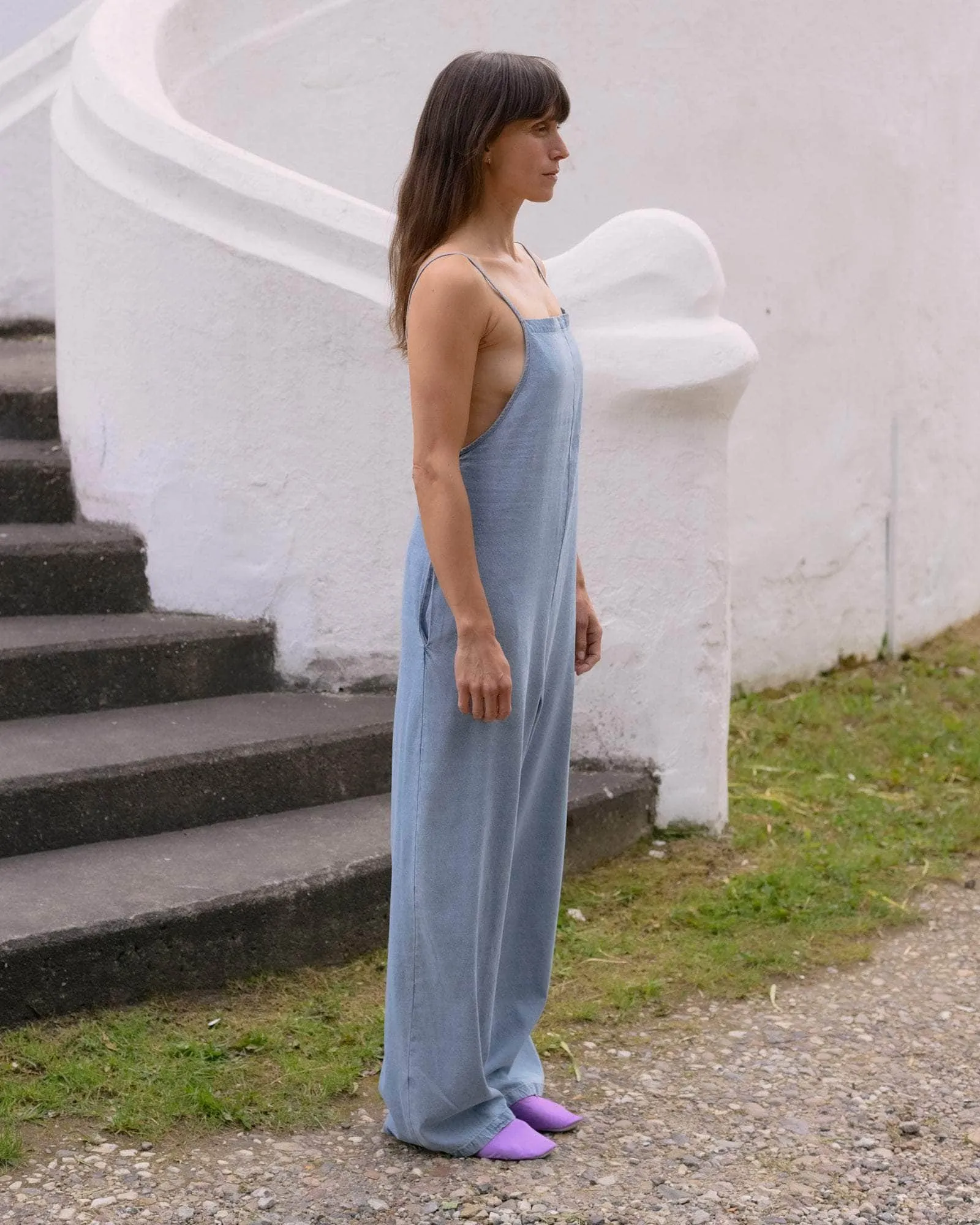
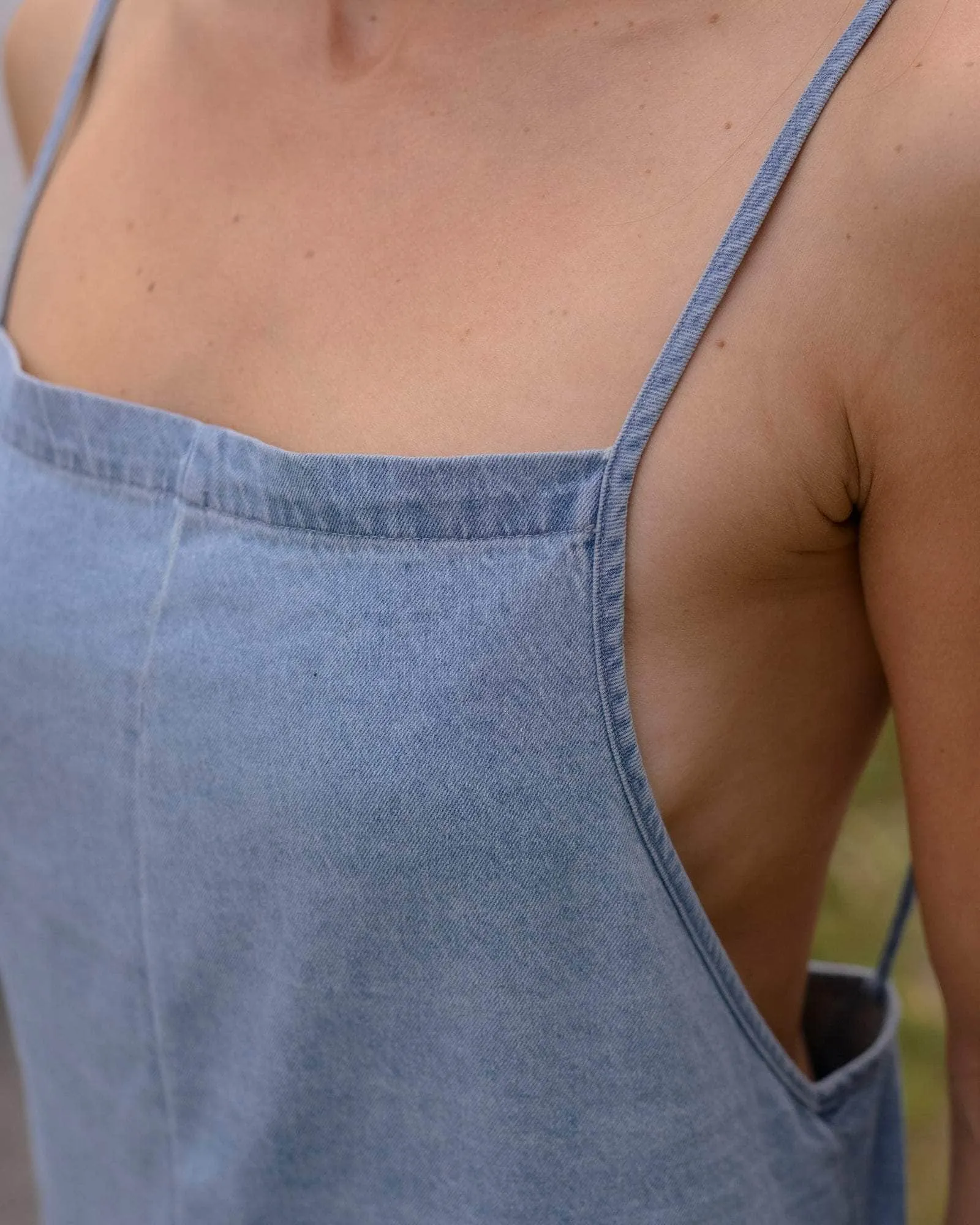
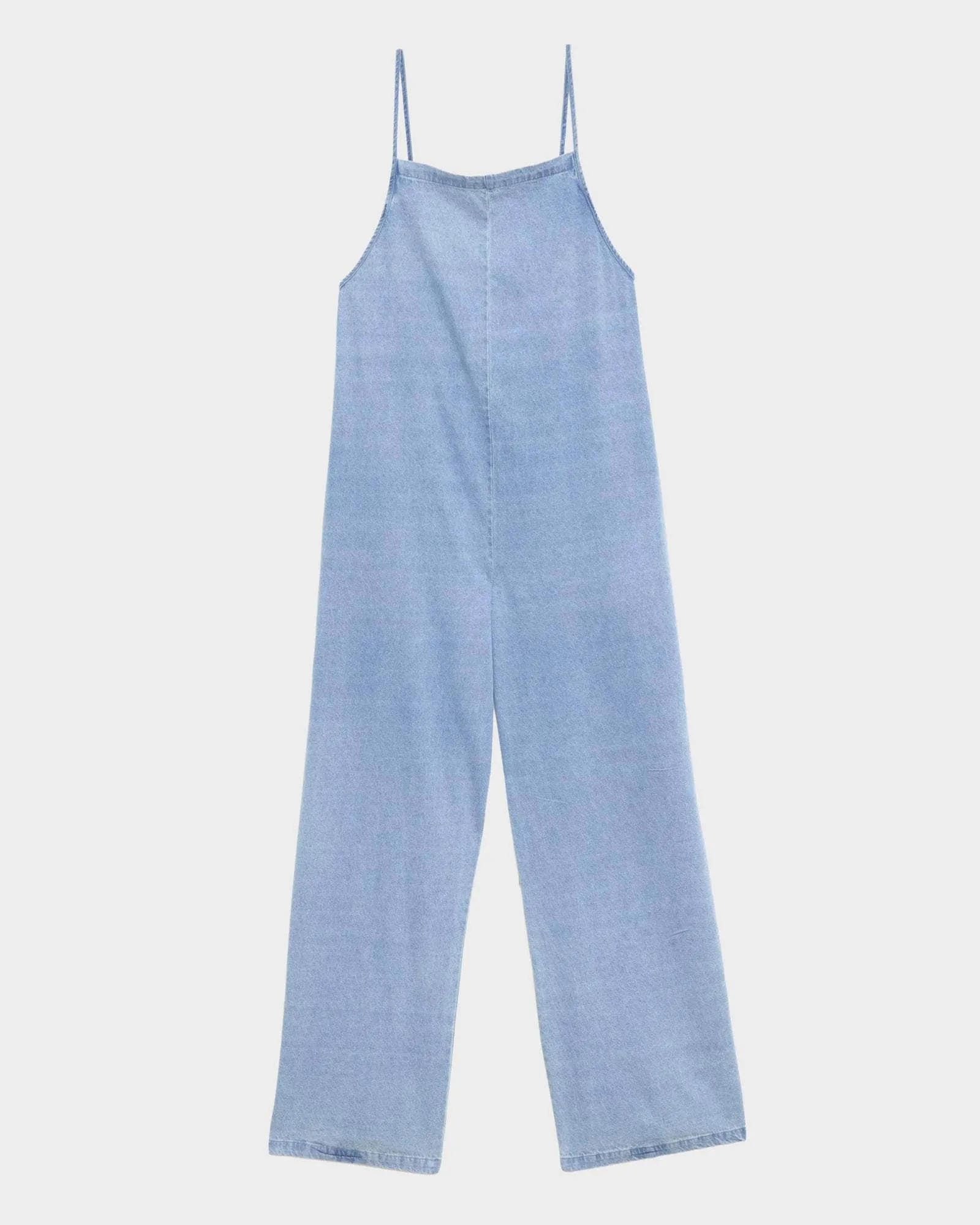
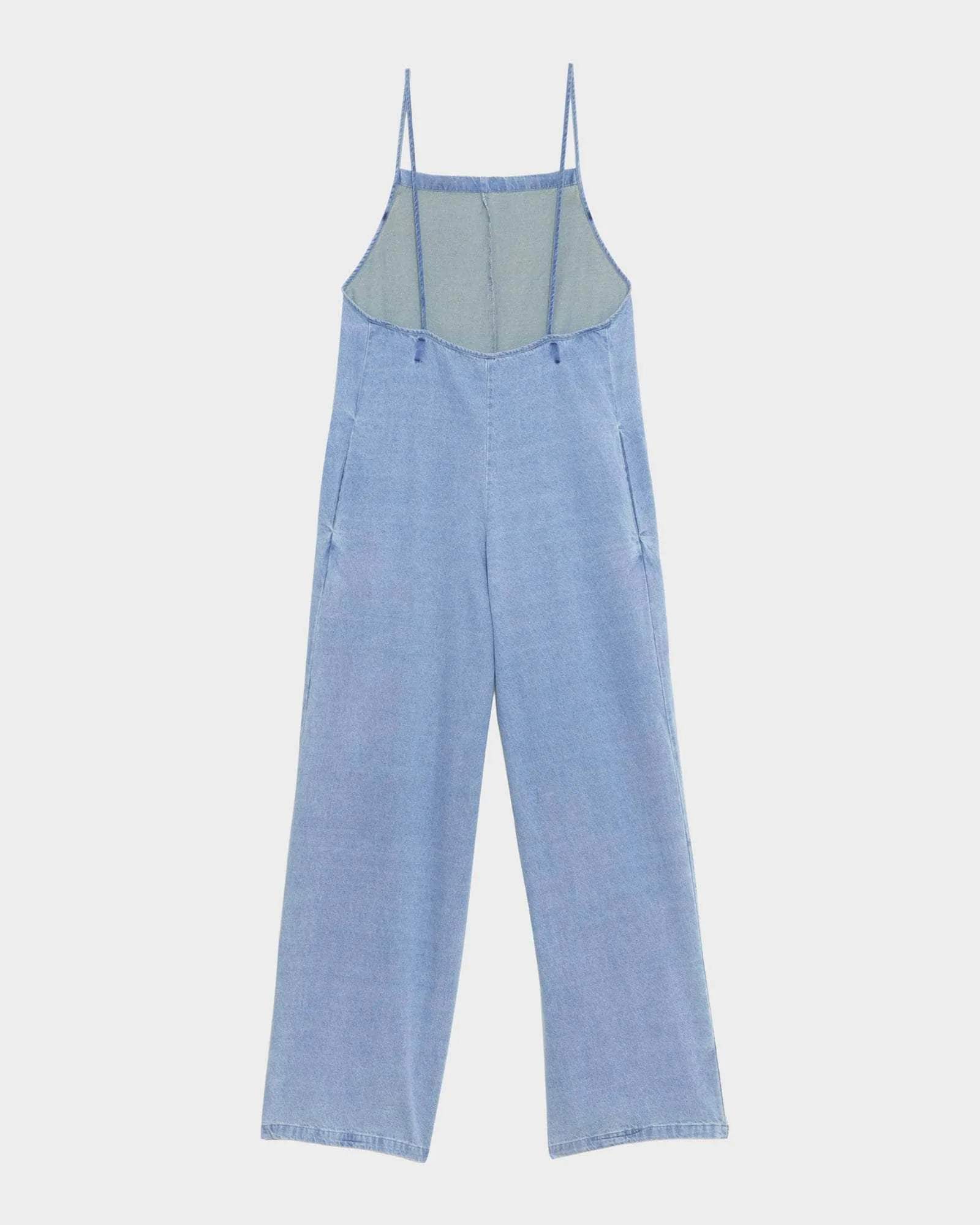
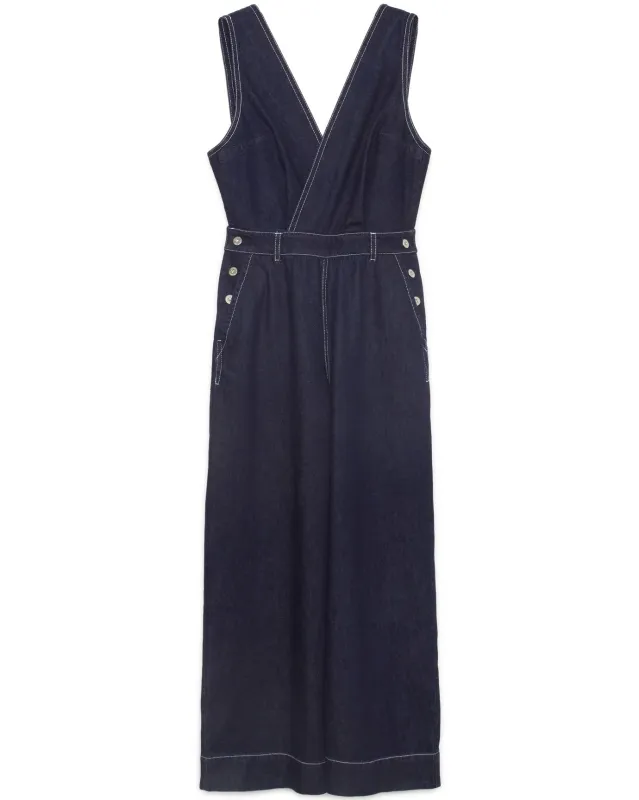
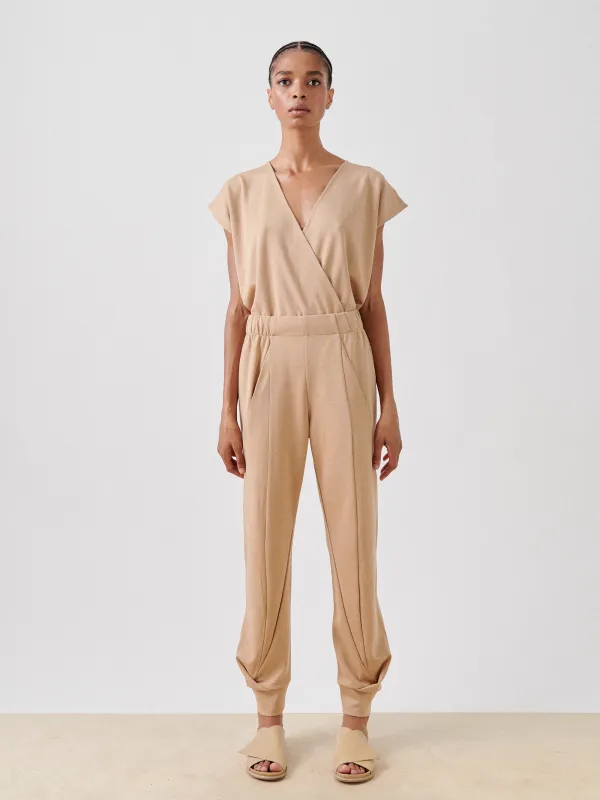
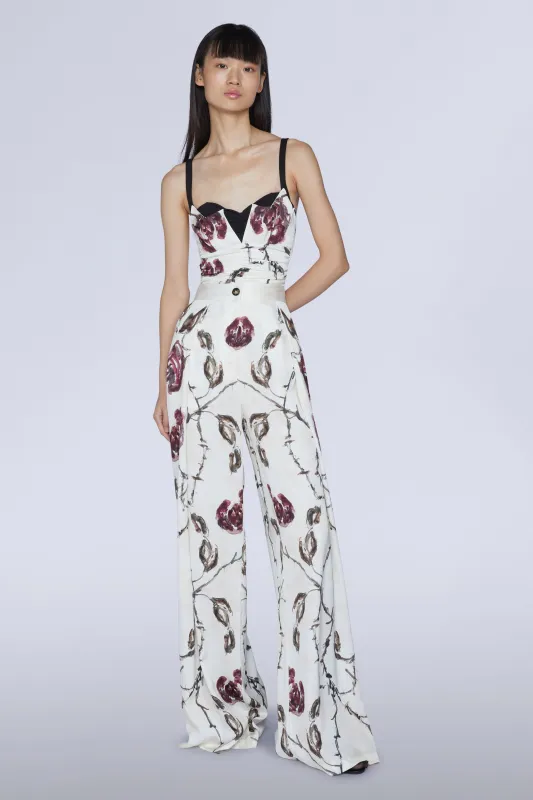
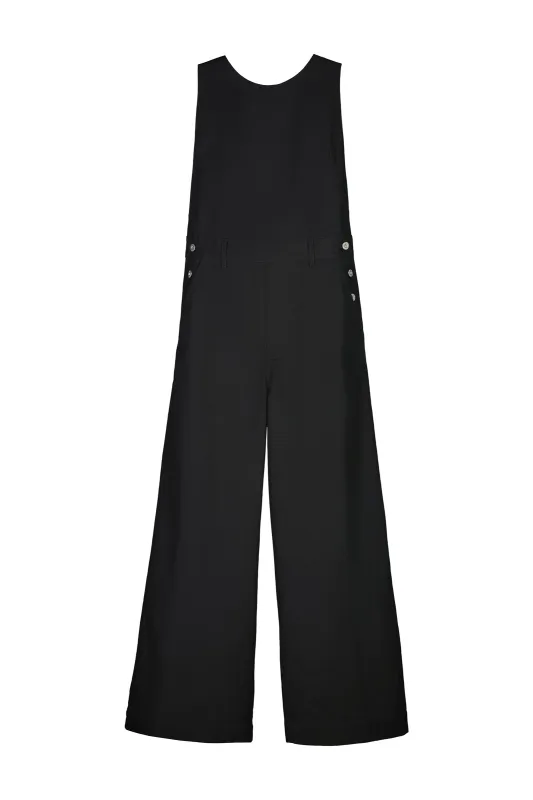
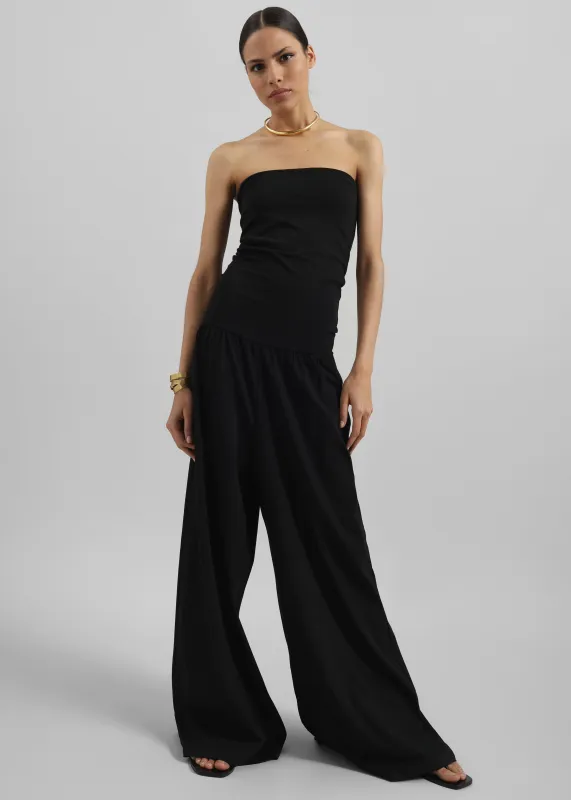
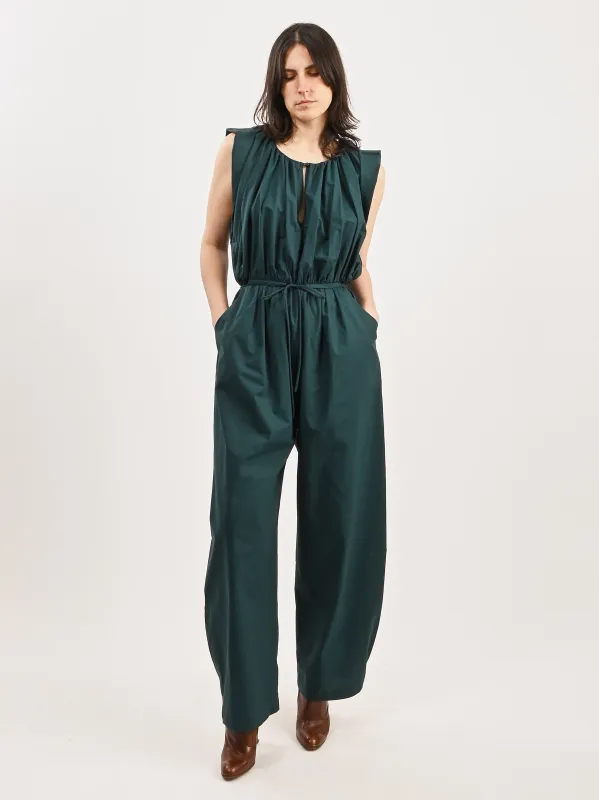
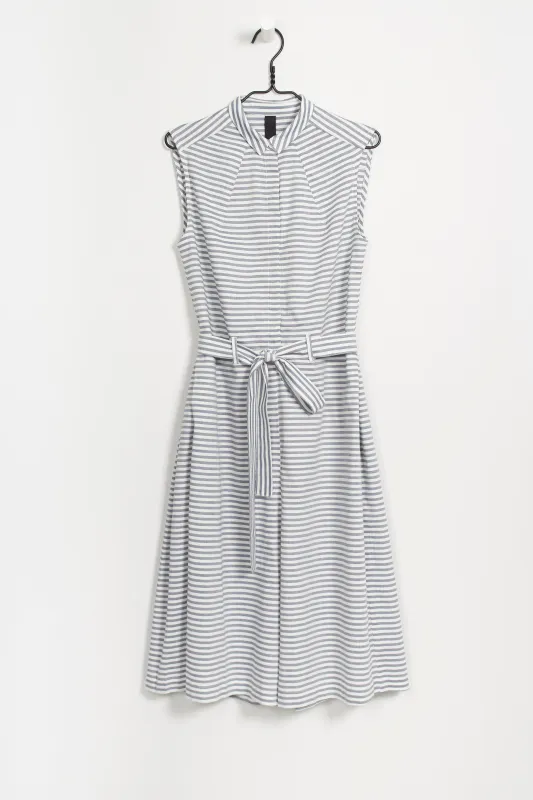
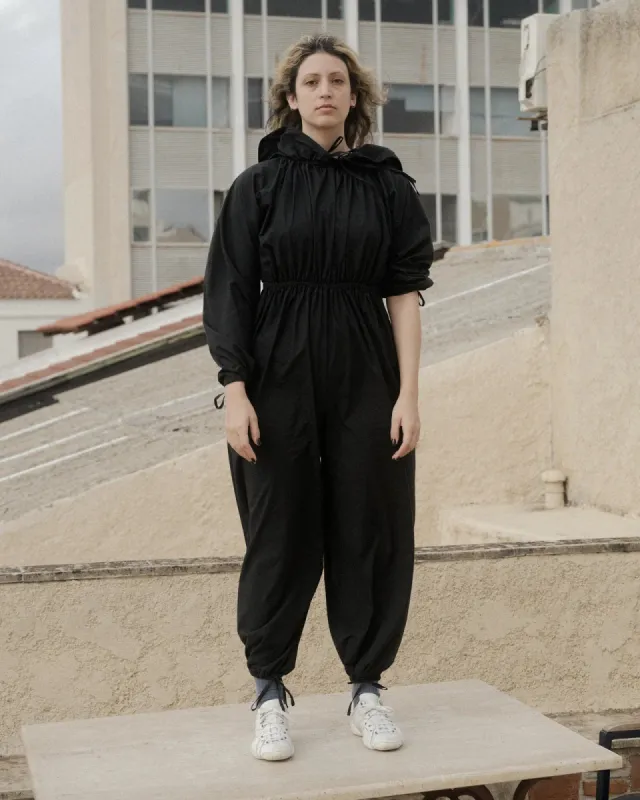
Elevate personal style with this silk cotton denim jumpsuit, featuring a straight neckline and side seam pockets. Crafted from a blend of 56% silk and 44% organic cotton, the fabric is not only luxurious but also hypoallergenic and hydrating for skin and hair. Thoughtfully produced in Türkiye, this stylish jumpsuit embodies sustainable fashion with its eco-friendly origins. Perfect for versatile dressing, it combines comfort and sophistication effortlessly, making it a wardrobe essential for any occasion.
From the brand: Product Details
Silk cotton denim jumpsuit
Straight neckline
Side seam pockets
Model wears a size S
56% Silk 44% Organic Cotton
Made in Türkiye
Fiber origin - China/Türkiye
Spun in Türkiye
Woven in Türkiye
Sewn in Türkiye
Material
Silk
Origin: China
Certificates: Oeko-Tex
Silk from
domesticated
mulberry
silkworms
is
a strong,
naturally
organic
fiber
.
Regulat
ing
body temperature
and
r
ich
in
protein
and amino acids,
silk
is
hydrating
for
skin
and
hair
.
Silk
is
also
hypoallergenic
and
antibacterial
.
Most
silk
that
is
produced
is
rain-fed.
The Mulberry trees that are grown to feed silkworms sequester carbon from the atmosphere
and require less water than cotton.
S
ilk doesn’t require harsh processing, soaking silk simply requires soap, soda and water.
The by-products of silk production are also utilised, with pupae being eaten by people or used as
animal
feed and sericin used in cosmetics and medicine.
Our silk comes from farms in China, where
o
ur fabric visits them regularly.
Communities that work with silk have created a cycle that feeds itself, where silk waste is given to feed the fishes in the ponds nearby, and the mud from those ponds is used to fertilise mulberry trees, which in turn feed the silkworms.
Sericulture or the silk industry has always employed rural populations, where most of the income goes back to the farmers.
Measurements
cm
inch
XS
S
M
L
A
Chest width
16.1
"
B
Strap lenght
19.1
"
C
Sideseam
42.5
"
D
Legs hem
11.4
"
E
Inseam
30.1
"
Conversion Chart
Size
EU
US
AU
JP
XS
34
0-2
6
100
S
36
4
8
120
M
38
6
10
140
L
40-41
8
12
160
XL
42
10
14-16
180