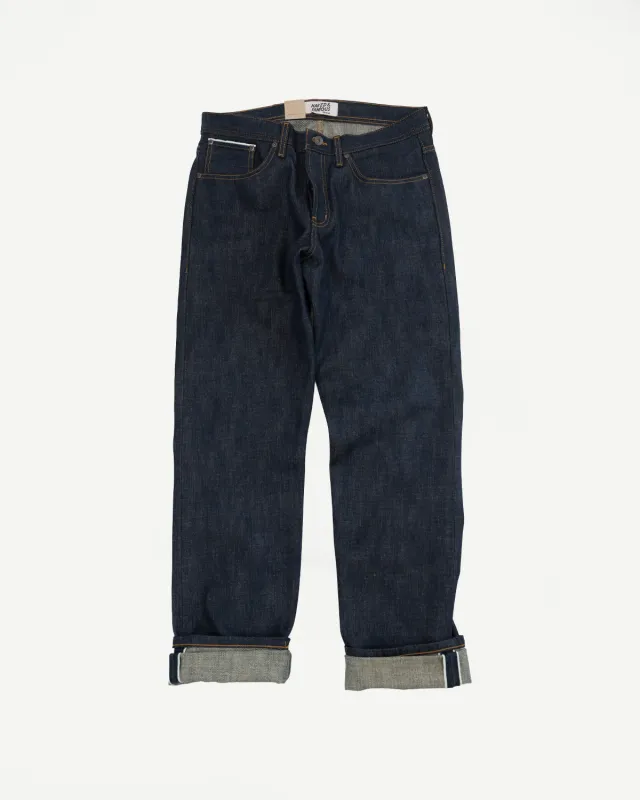
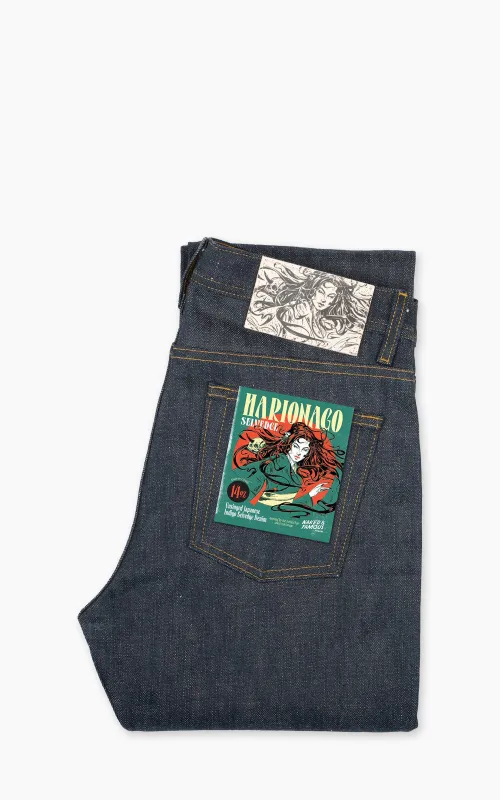
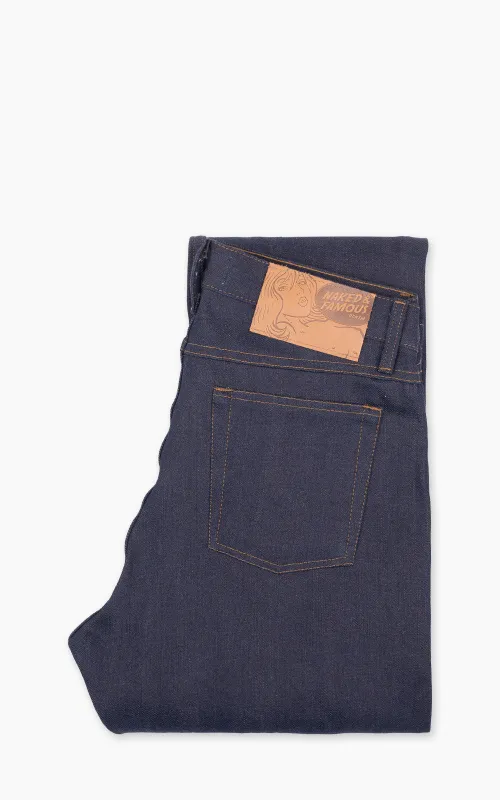
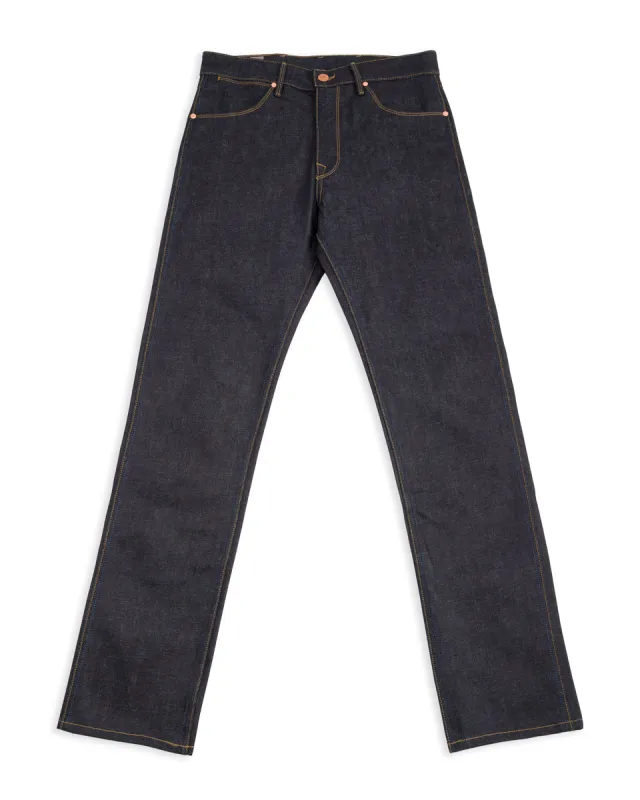
Crafted from Kakishibu dyed fabric, these jeans embody a rich cultural heritage, featuring natural dyes sourced from unripe persimmons. The unique slub yarns create a captivating 'falling rain' effect, and the denim is Hank Dyed for depth and character. Limited to just 90 pieces, they are designed with reinforced features and a custom bandanna, melding traditional craftsmanship with modern style. Ideal for durable wear, they promise stunning fade results with time.
From the brand: There jeans may seem extremely expensive but generally run for $950 from Japanese and other brands. We are trying to offer at a cheaper price then most in this difficult economy.
Kakishibu has a rich cultural heritage that dates back centuries in ancient Japan. This natural dye is derived from fermented unripe persimmon fruit.
The dyeing process involves first extracting tannins from the unripe fruit of the kaki (persimmon) tree, specifically the astringent variety known as ‘shibu’. The fruits are collected, peeled, and left to ferment in water for several months to several years. The process of fermentation allows for the release of tannic acid, which gives Kakishibu its distinct characteristics.
Kakishibu(persimmon fruit dyed) warp and Awa Shoai natural indiogo weft from a secret mill in Tokushima Japan. Awa means Awa Provence, which was the original name of the modern Tokushima prefecture. Sho in Japanese means real and Ai refers to Natural Indigo dye. Kakishibu is a Japanese word for persimmon dyed. A natural brownish/orange dye from the orange colored Asian fruit.
The slub yarns vary in thickness, with some individual yarns going thick to thin thru out the individual yarn similar to a hand spun Khadi yarn. The effect of the slub denims in the warp create a look that they refer to as"falling rain" The denim is a Hank Dyed natural plant dyed Indigo. In order to Hank Dye denim, a master craftsman dips the yarn skein into a vat of Natural Indigo and hand twist the Indigo deep into the yarn core. The nature of this process produces yarns with varying depths of Indigo Hues giving it a subtle variegated indigo warp. This denim is dyed in the most famous Indigo dying center in Japan, Tokushima Prefecture.
Indigo dyeing in Tokushima Prefecture developed in the climate of the Yoshino River basin.
The Yoshino River is one of the three most rampaging rivers in Japan, and is called " Saburo Shikoku " along with Taro Bando and Jiro Chikushi . Every flood brought fertile soil that was suitable for the cultivation of indigo , making it a major production area.
Thanks to the encouragement of Yoshishige Hachisuka , the first lord of the Tokushima Domain in Awa Province , the production of indigo was at its peak during the Edo period. Because of its high quality, Awa indigo is called “ Sho-ai ” and other indigo is called “ Ji-ai ”, and has been prized all over the country. In Tokushima, there are a few remaining facilities that tell the story of the achievements of the indigo merchants of that time.
This is limited to approximately 90 pieces. Pocketing is a custom pigment printed Left Field coal miner bandanna, painted brass pick and shovel waist band button, custom copper rivets and washers with pick and shovels on the back, hidden
selvedge
coin pocket, hidden back pocket rivets and copper washer behind waistband tack button for extra reinforcement, veg tanned thick leather label Cut and sewn in California, USA.
Washing Instructions
We recommend to wear jeans for at least 30 times to set in creases and get the best fade results. If jeans feel damp, it’s definitely time wash. When you are ready turn your jeans inside out and hand wash cold in your bathroom sink with a mild detergent. Agitate in the water and when it turns brown release water and repeat. Then rinse in cold water and squeeze out until all the soap bubbles have disappeared. Squeeze out excess water and hang drip dry on your shower caddy. Straighten legs so there will be less twist when dry. When they dry they will be crispy from the release of the starch in the fabric and will feel tight initially but will stretch out much quicker then when raw and become soft again in a day or two of wear.
We
don’t
recommend presoaking your jeans as all of our denims are sanforized. The starch in raw denim creates rigid creases, which help to create higher contrast fading. Please review the care label in your garment before washing.
Measurements
The best way to determine your Left Field size is to measure a pair of jeans or chinos you already own and that fit you well, and then compare those measurements with the ones listed below.
To see how we take our measurements, click here:
Measurement Guide
*** Run tight only in waist, will stretch. Size up 2 sizes for a more looser fit, but keep in mind these will stretch a bit
**