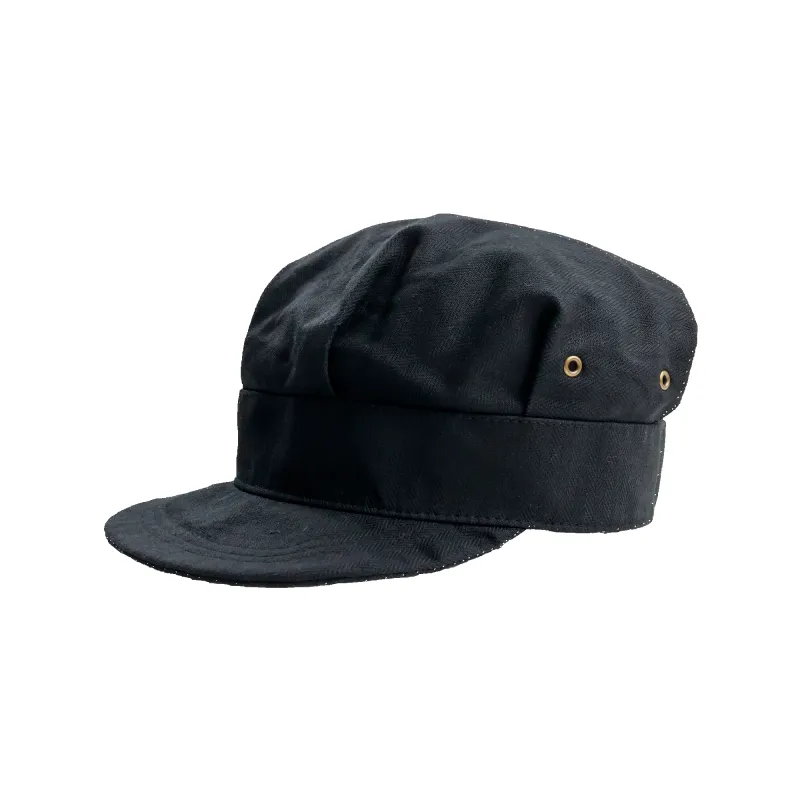
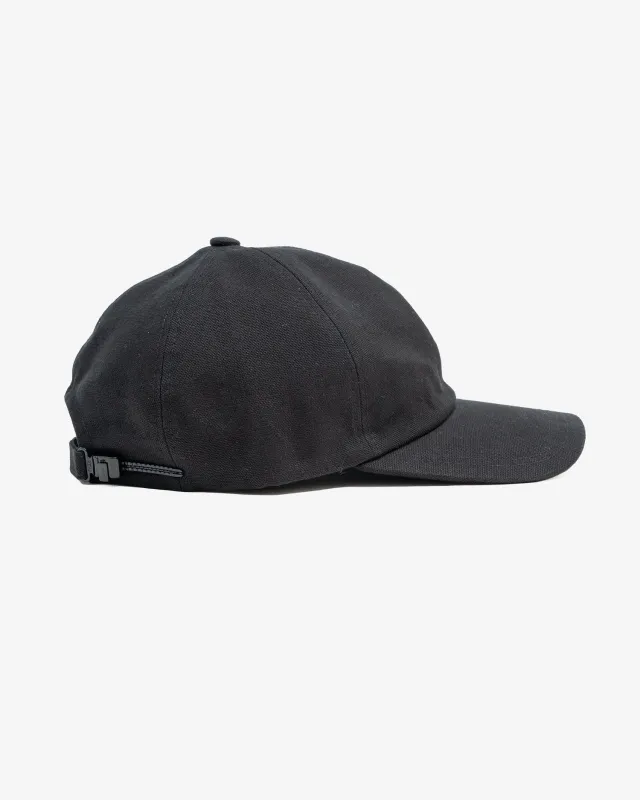
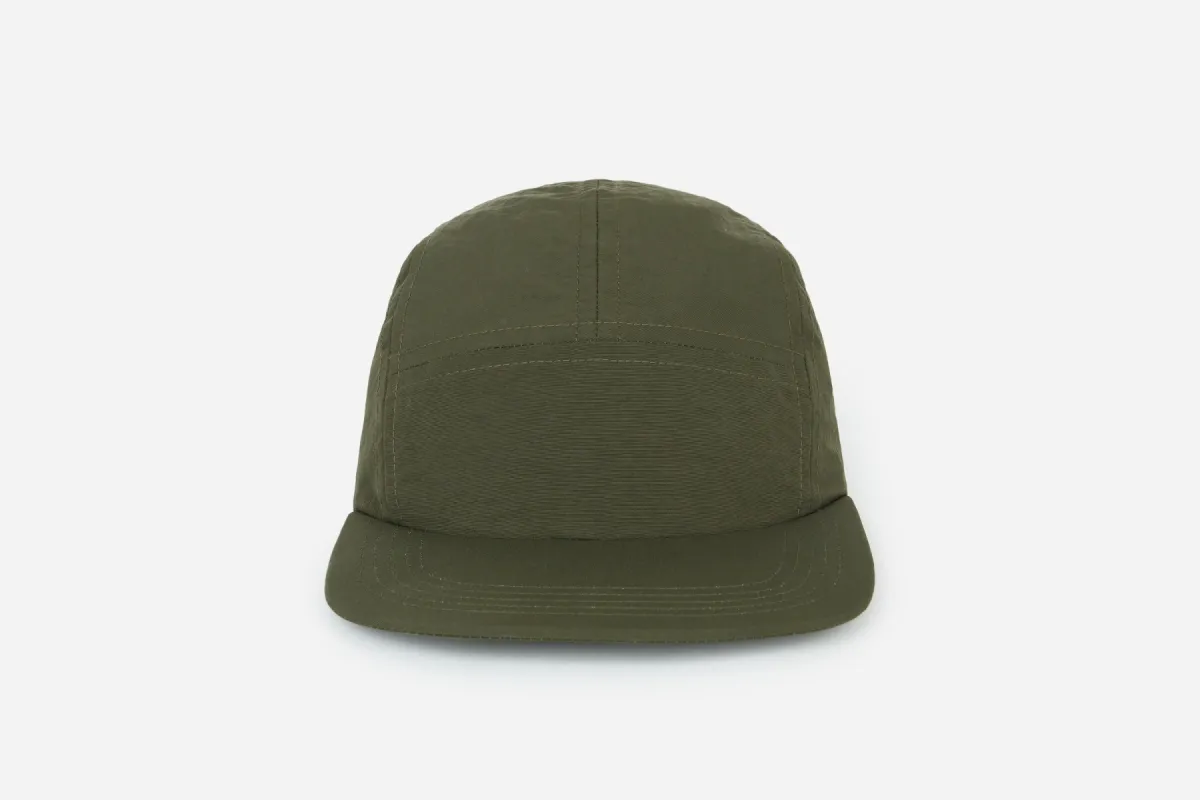
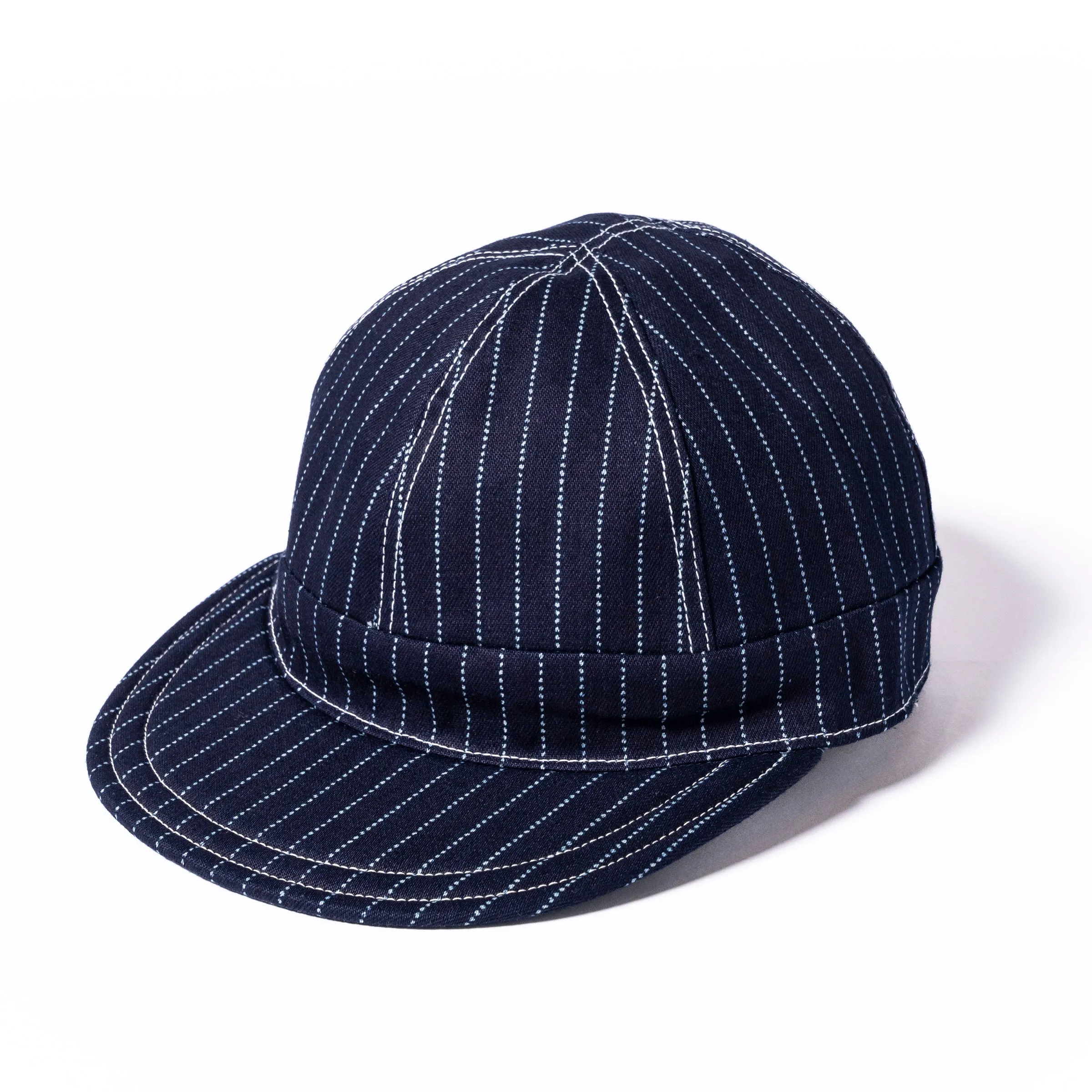
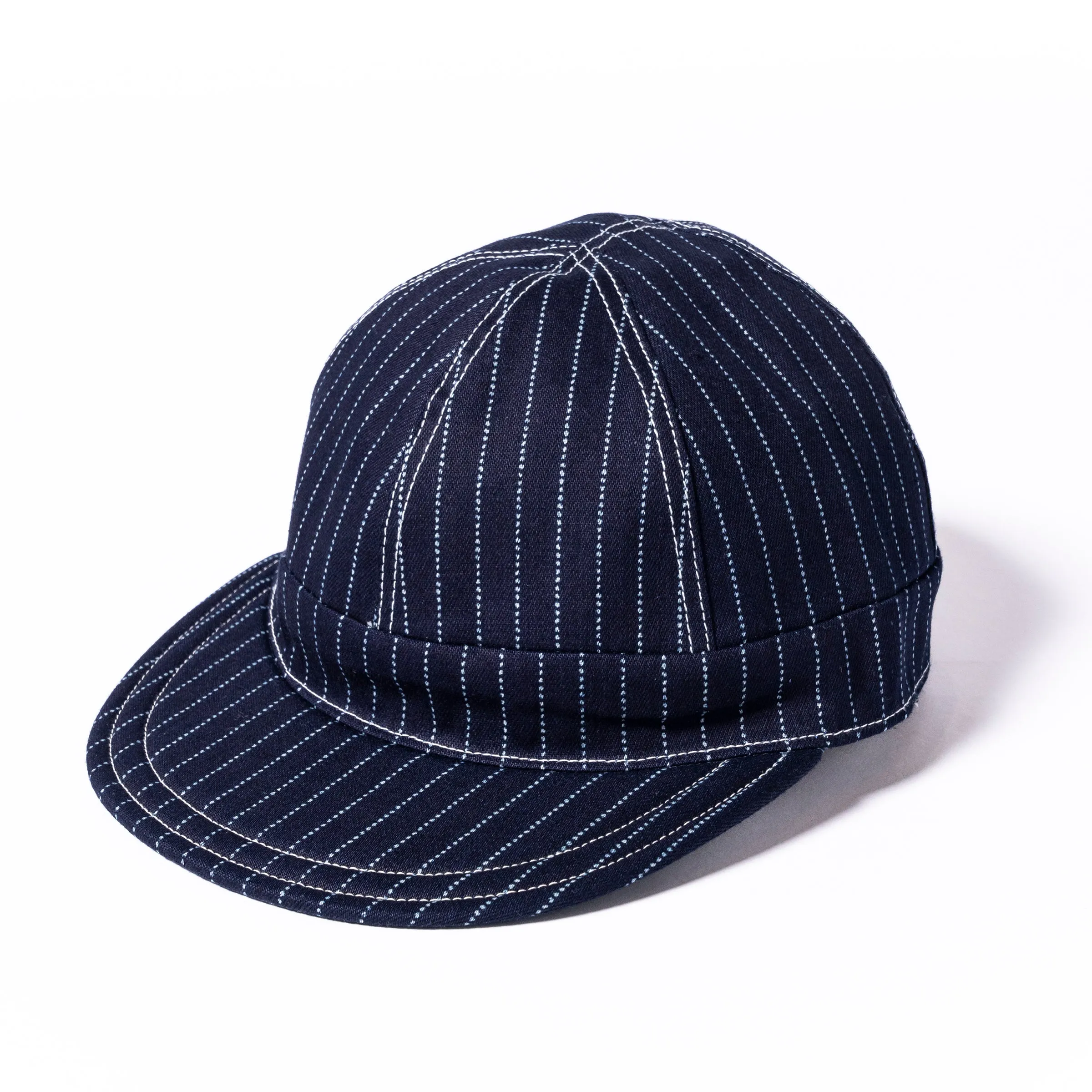
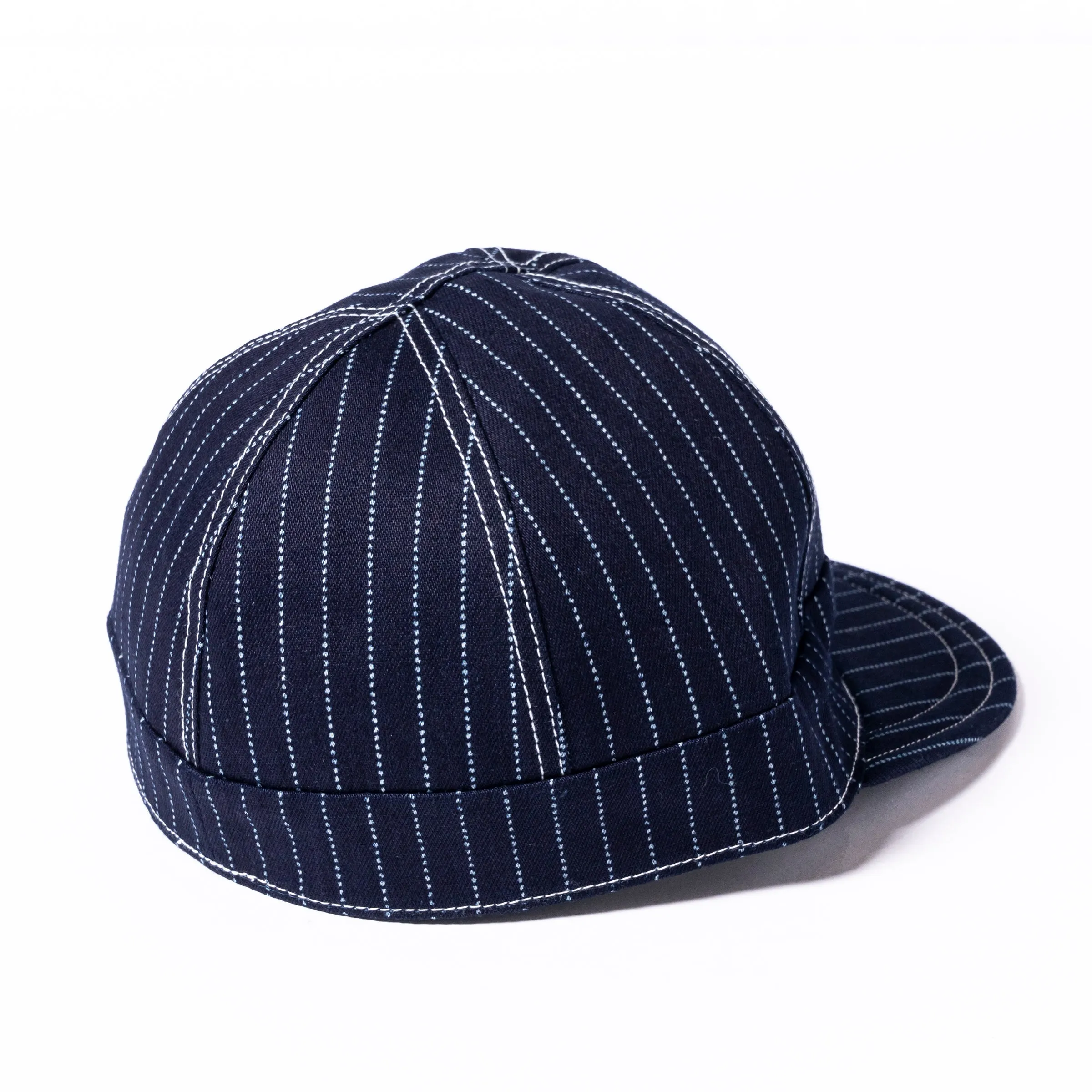
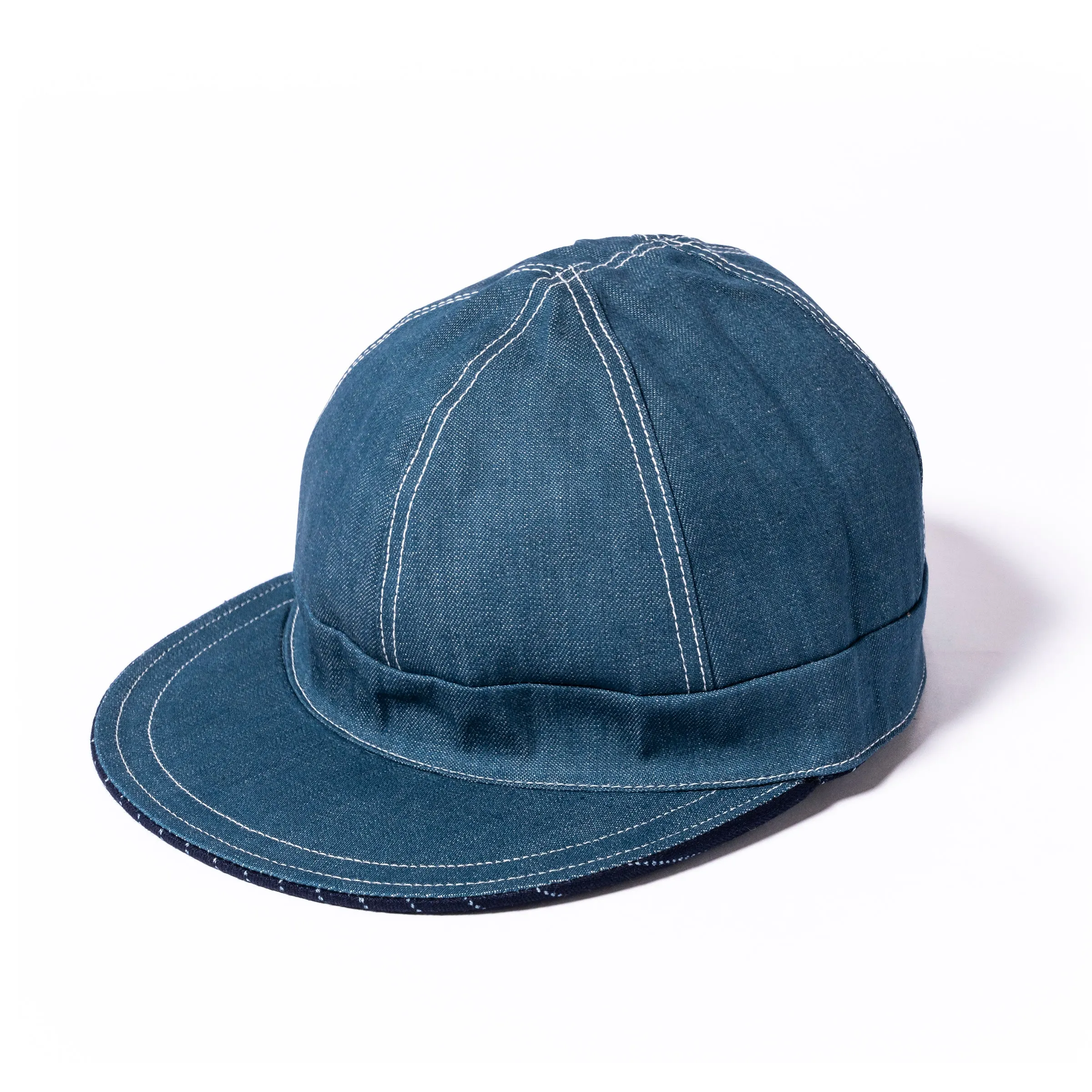
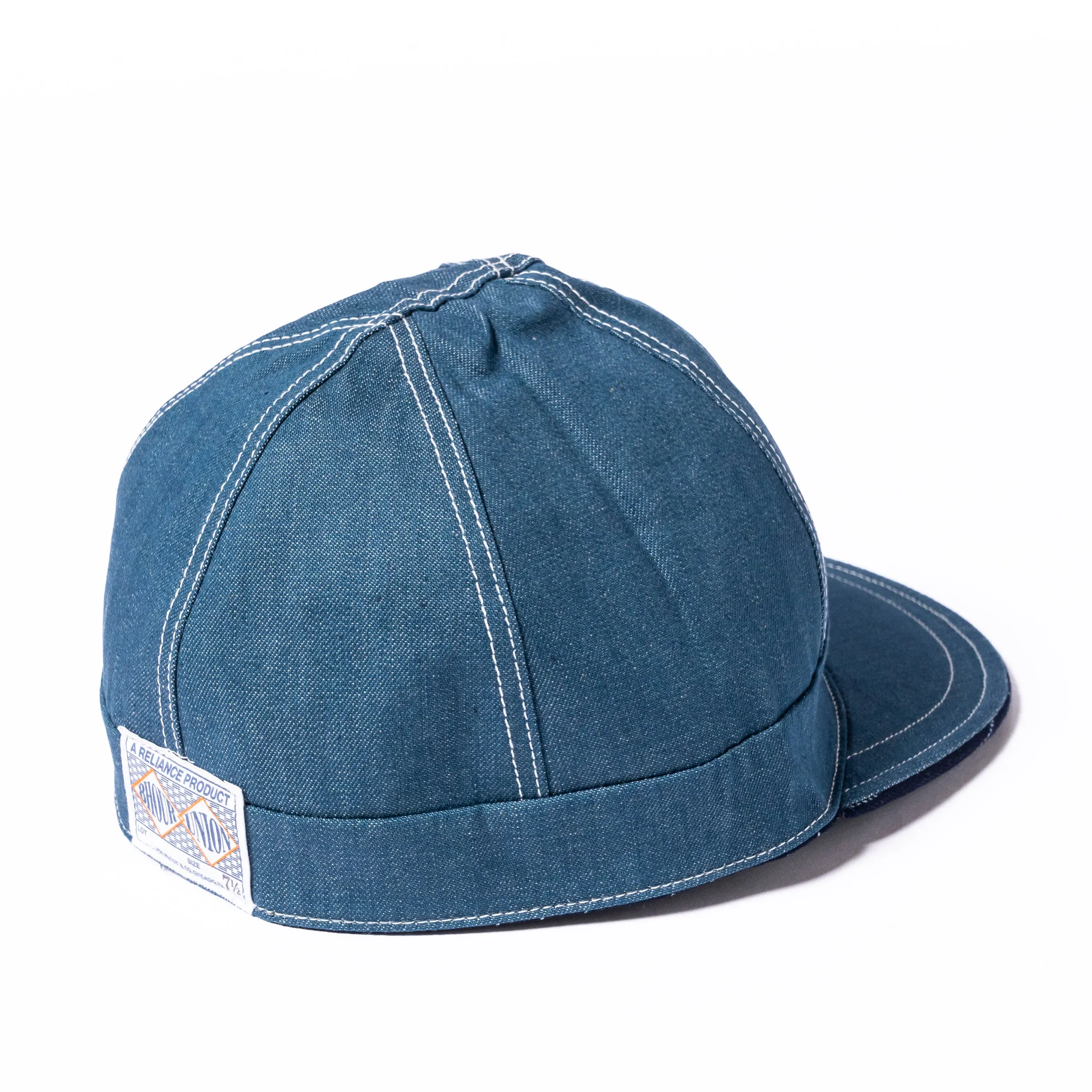
The Wabash Reversible Work Cap is a striking blend of vintage charm and modern functionality. Crafted from indigo dyed discharge printed cotton fabric, this six-panel cap pays homage to early 20th-century railroad worker caps. The reversible design adds versatility, allowing for multiple styling options. Made in Japan, it embodies superior craftsmanship while celebrating the historical significance of Wabash fabric. Perfect for adding a unique touch to any outfit.
From the brand: The WABASH REVERSIBLE WORK CAP is made from indigo dyed discharge printed cotton fabric and is finished with a reversible design. Inspired by conductor and railroad worker caps from the early 20th century, it features a short brim and is built using six panel construction.
In the early 1900s, calico fabric surged in popularity, specifically they were targeted towards railroad workers and labourers. Coinciding with this, 'discharge printing' emerged as a technique in fabric manufacturing. The technique of discharge printing involves dyeing of fabrics, followed by the creation of a repeated stripe dot pattern or polka dot, through a process that removes dye from the fabric via oxidation. By the 1910s, companies were crafting custom prints that showcased railroad logos for employees to buy. Indigo dyeing was a common and popular choice of dye for calico overalls and one that had been brought to America through European settlers. The process of discharge printing on indigo would eventually earn the name “Wabash”.
The term "Wabash fabric" likely originated from its adoption by the Wabash Railroad for uniforms. It became colloquially known as 'Wabash' fabric and was briefly named as such in clothing catalogues from the 1910s. Decades later, when the fabric experienced a revival, it was once again given the moniker 'Wabash.’
Indigo Dyed Discharge Printed Fabric
Six Panel Construction
Cotton Sewing Thread Construction
Made in Japan

![[2026SS] 6260-1 Denim Rail Road Cap made by Full Count](https://d141zx60z515qt.cloudfront.net/mpfaad460bdb/pr68df5ab19053c346cf5d891e/img67767_800w.webp)