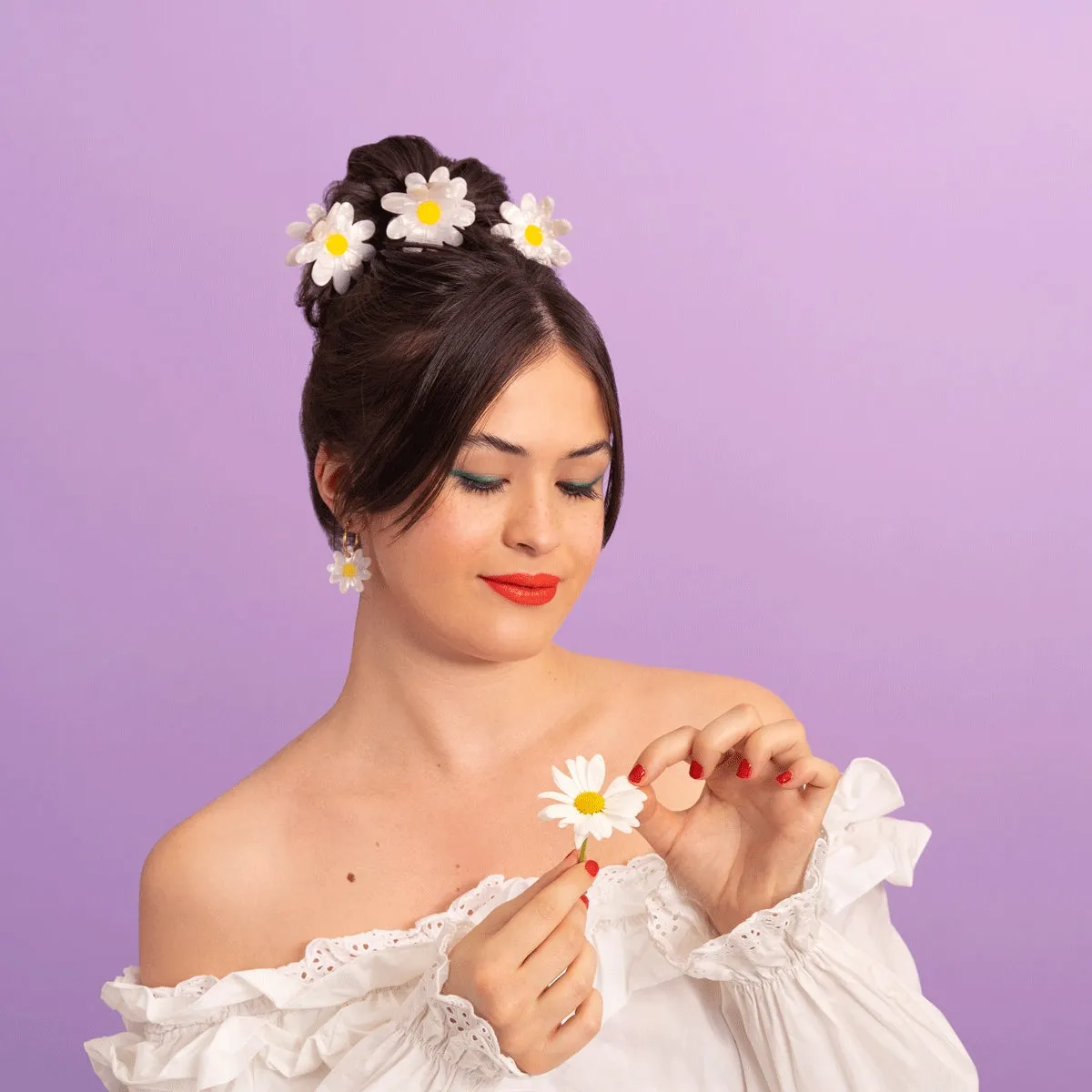
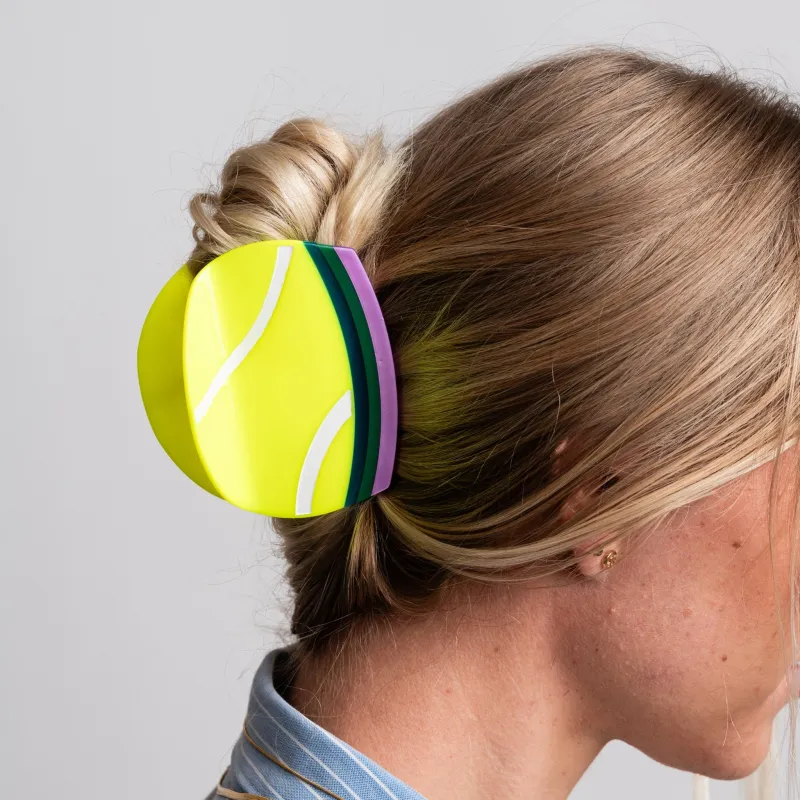
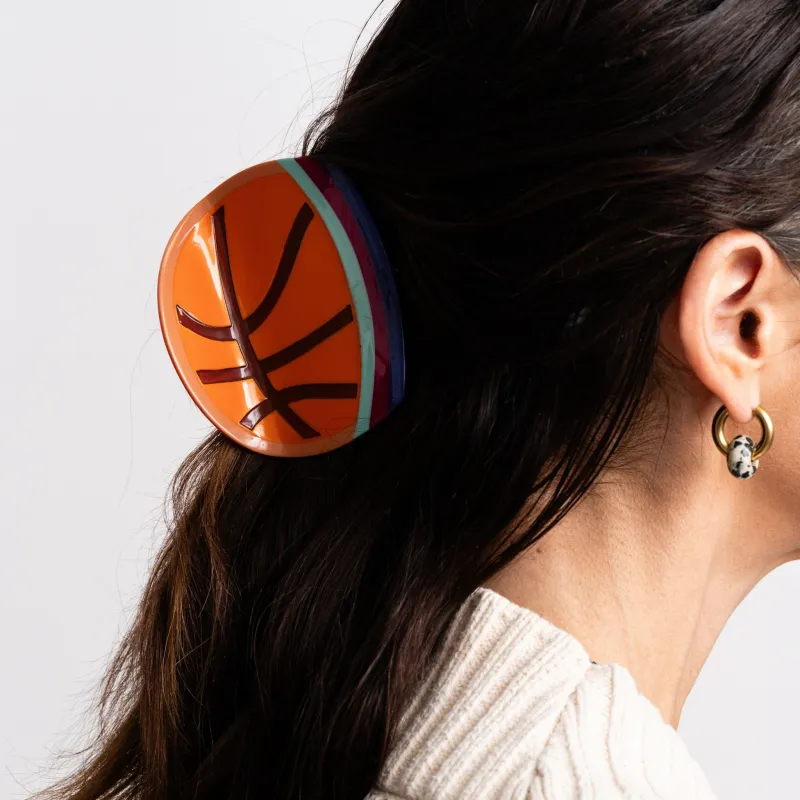
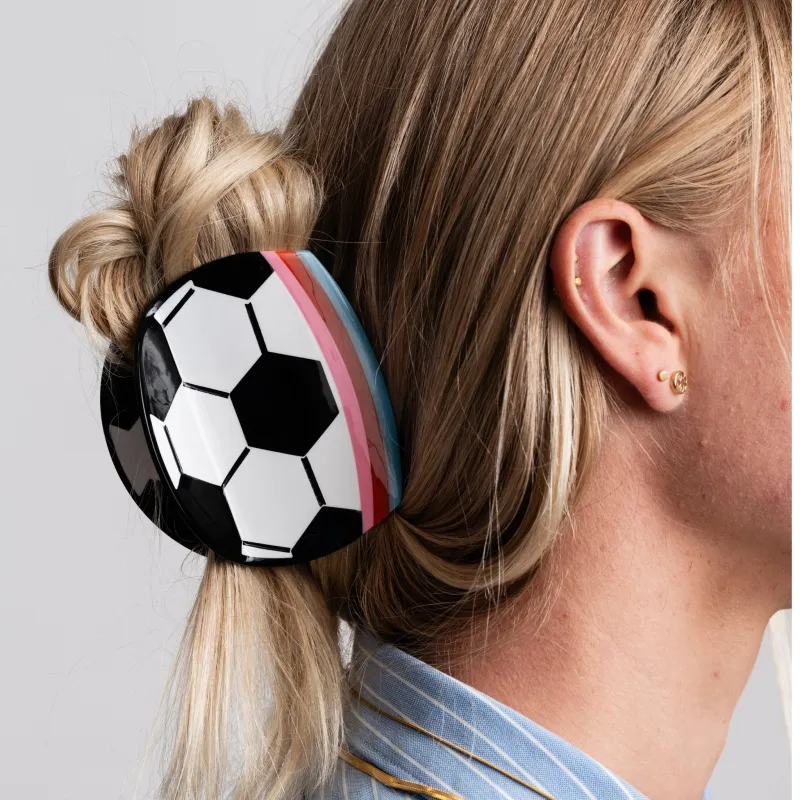
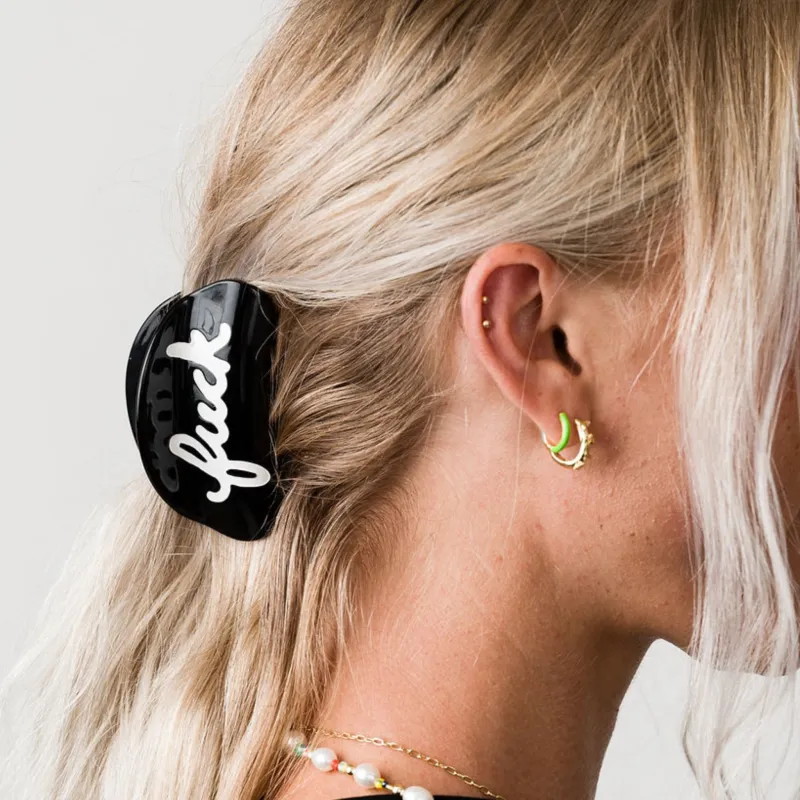
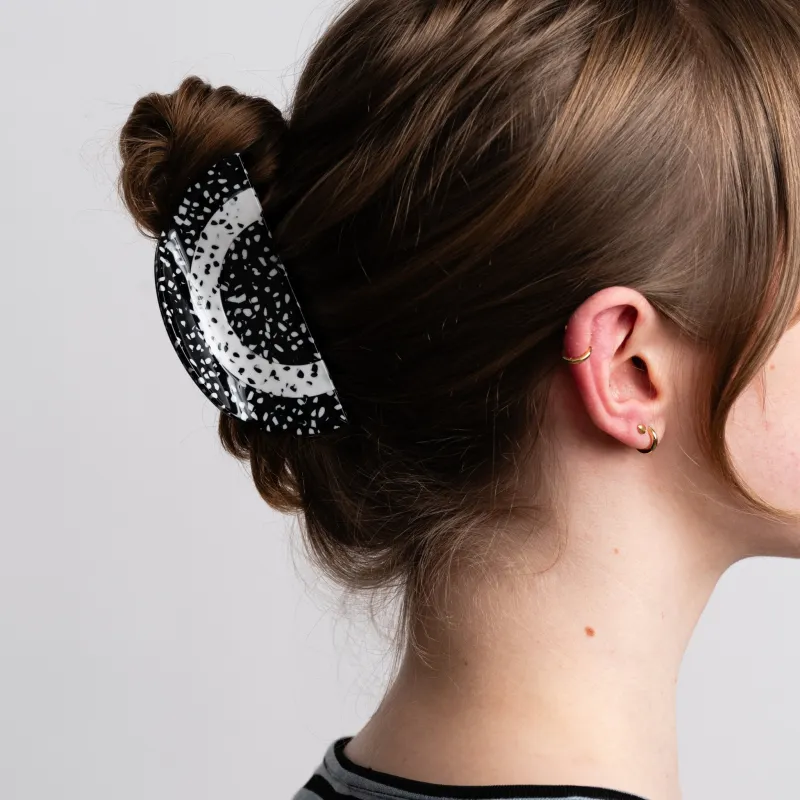
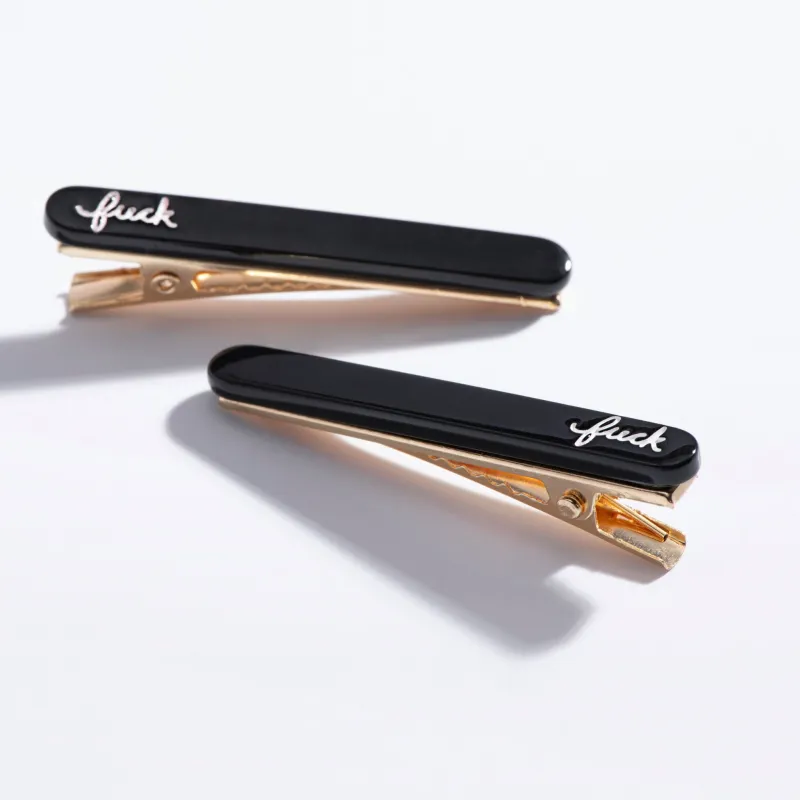
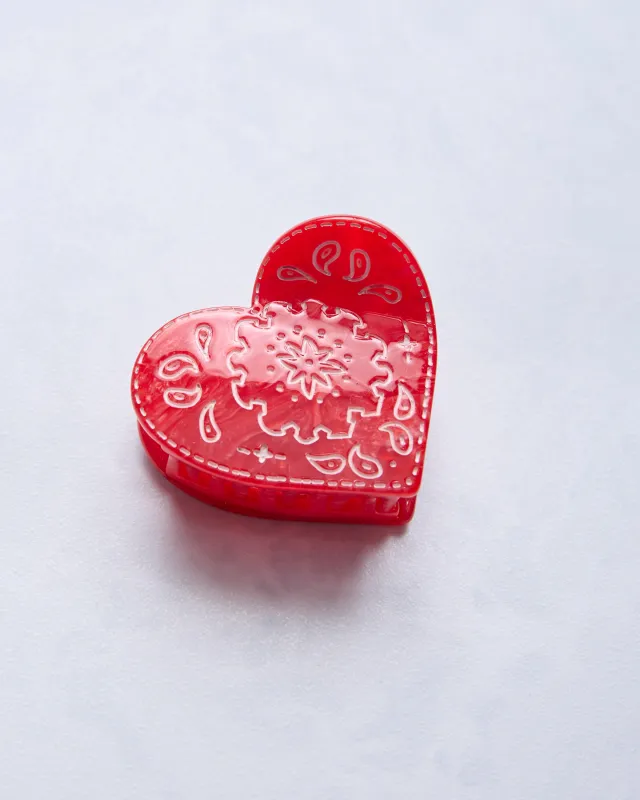
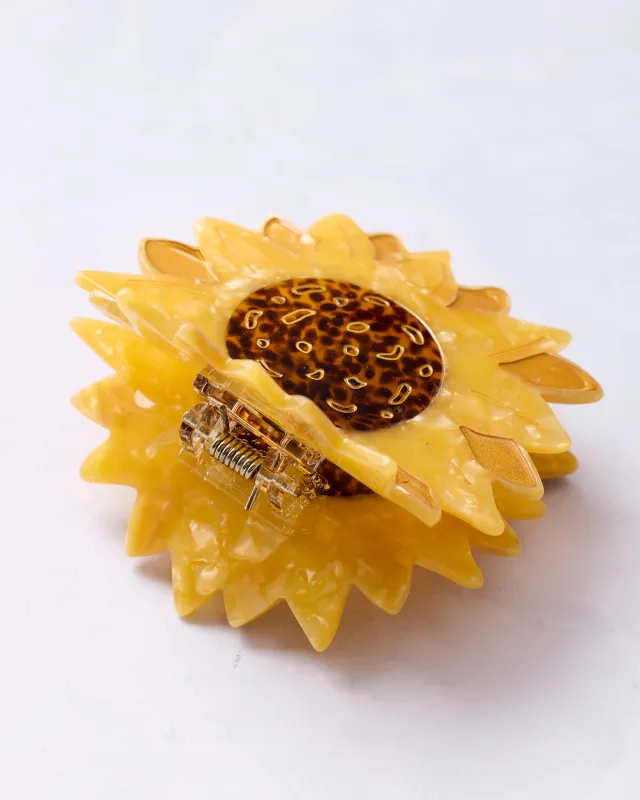
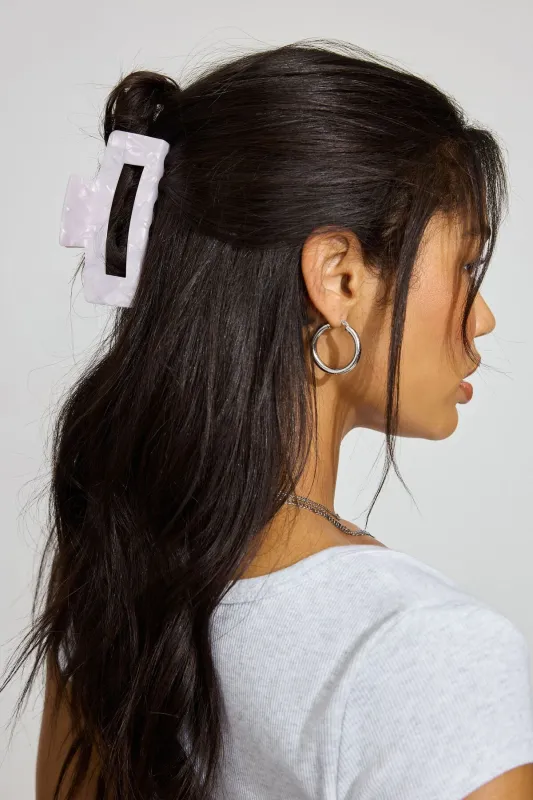
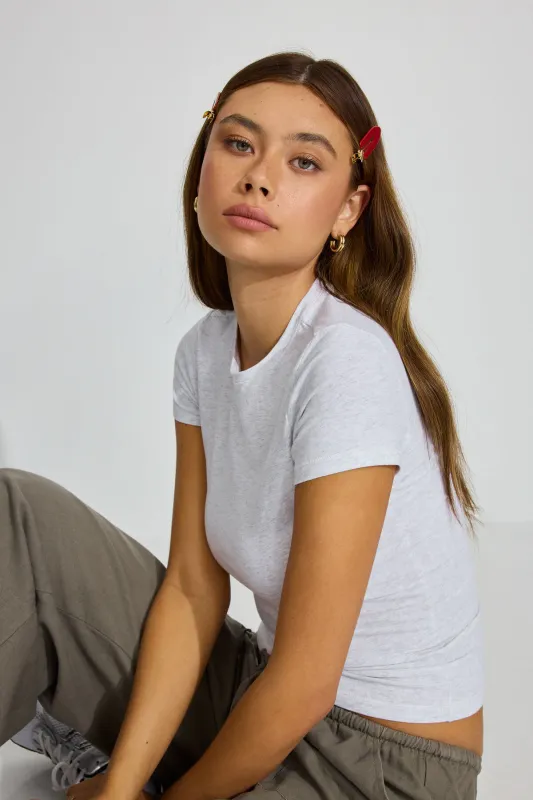
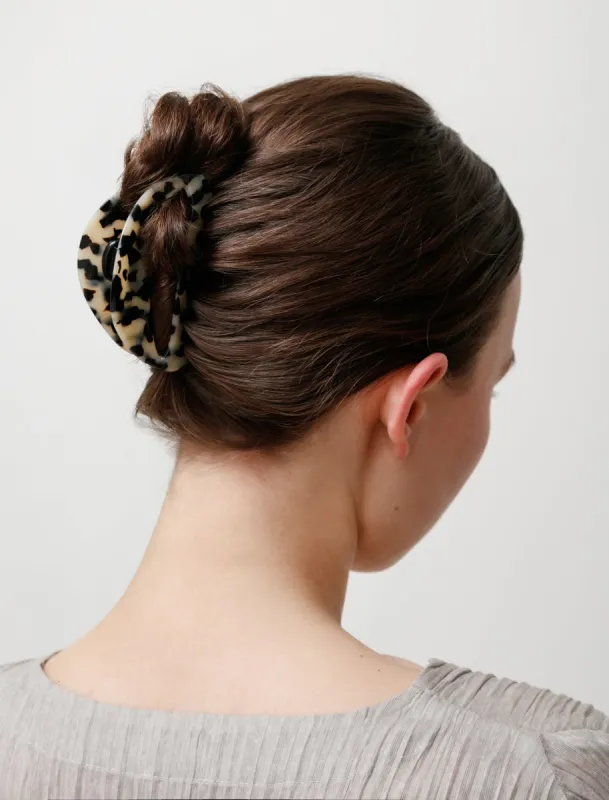
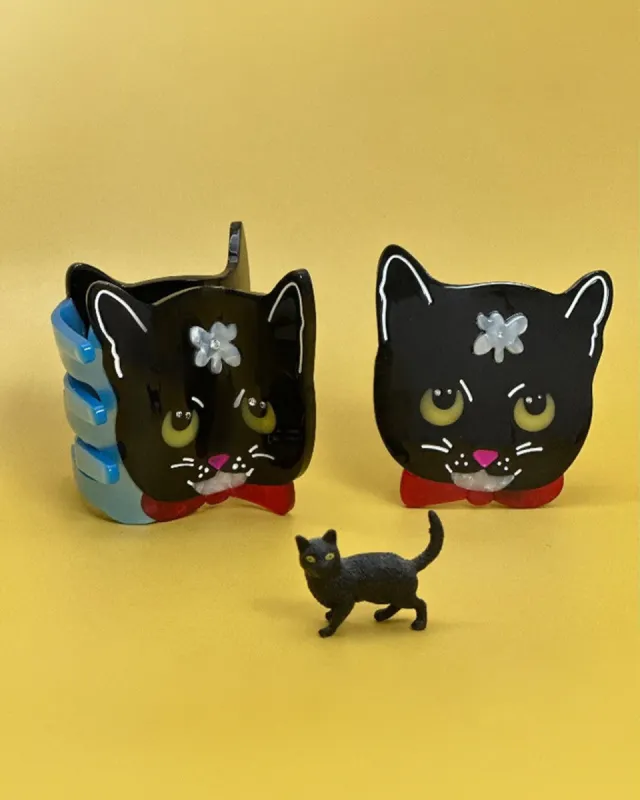
Elevate any hairstyle with these charming hair clips from Velvet Heartbeat. Ethically crafted from eco-friendly cellulose acetate, each piece offers a unique touch thanks to the vibrant colors and designs. Perfect for adding a whimsical flair, these accessories are not only stylish but also sustainable, biodegrading over time and minimizing environmental impact. Celebrate individuality while supporting ethical fashion with these delightful clips.
From the brand: These irresistibly quirky claws are ethically made by our sweet French friends at Coucou Suzette. Made from cellulose acetate (a bio-plastic made from plants!) these lovely pieces are far more sustainable than your average plastic hair clip!
Each creation is unique, the color can slightly vary depending on the piece of acetate used
Type of claw: acetate teeth
Recommendation : avoid contact with water
Size -
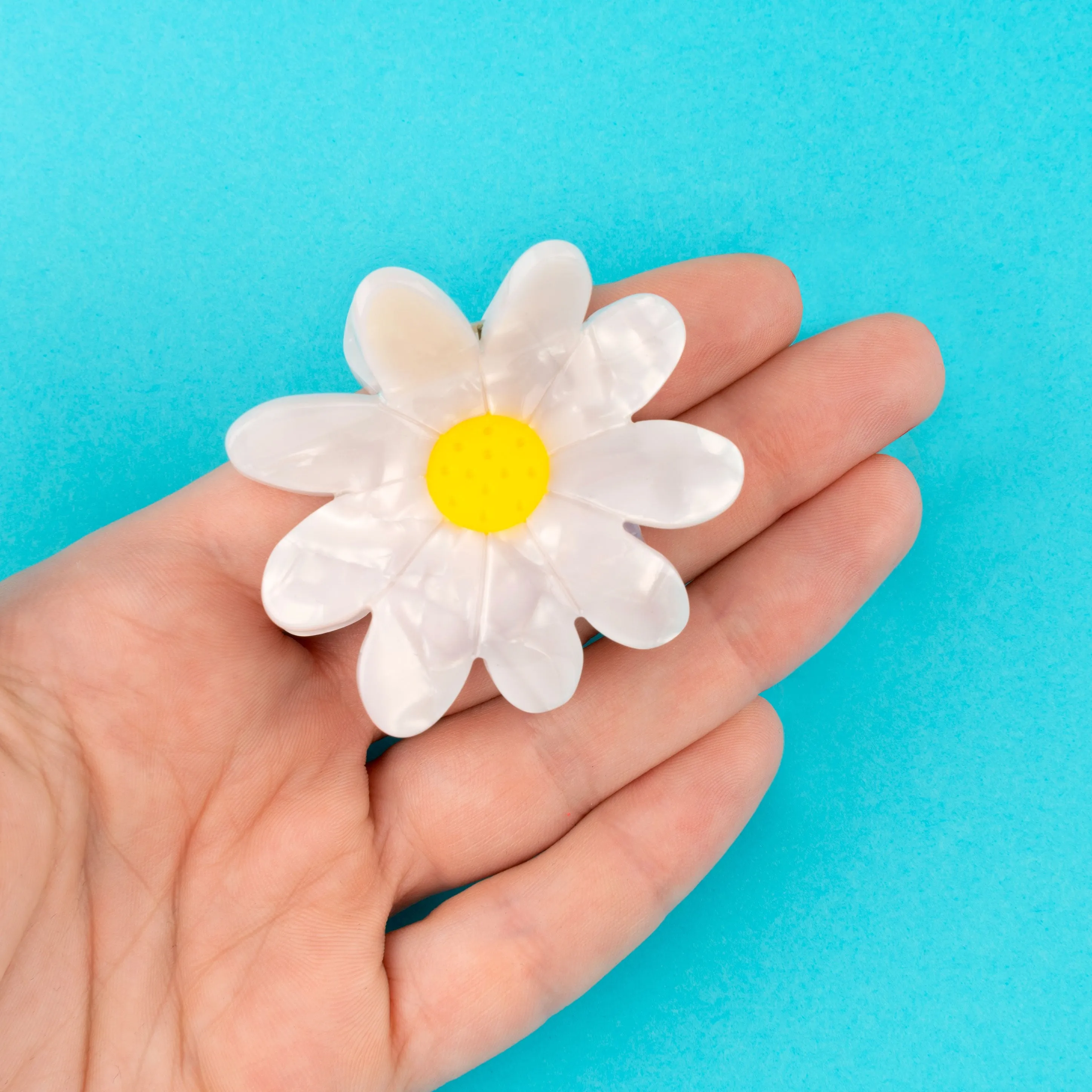
Daisy - 4.7cm x 5cm
Heart - 5.5cm x 5cm
Lilac Rectangle - 7.1cm x 3.9cm
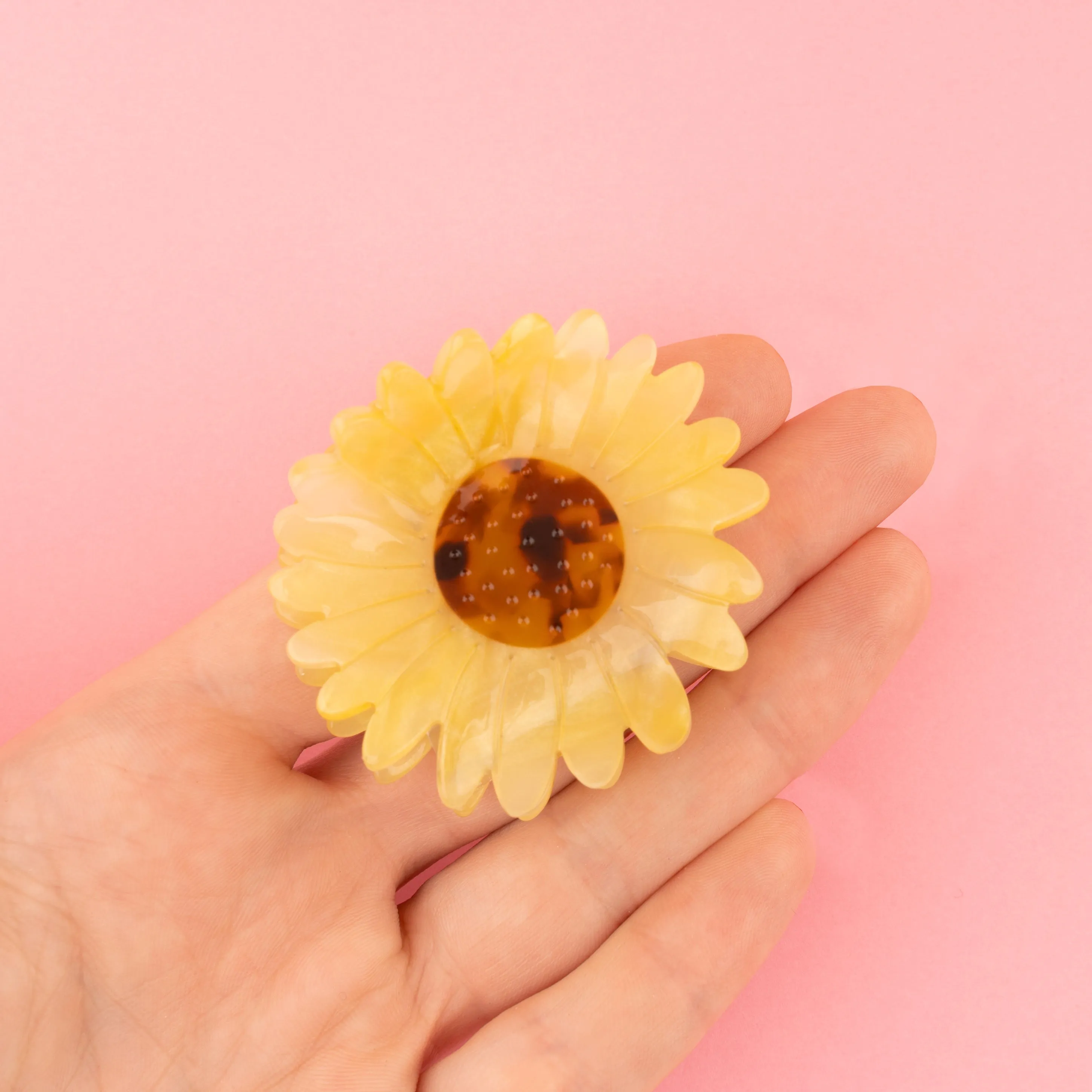
Sunflower - 5cm x 5cm
Black & White Cat - 8.8cm x 4.5cm
Materials - Cellulose acetate is a material made of plants (wood and cotton pulp). It is FSC certified (Forest Stewardship Council), which means the wood cellulose we use comes from forests managed in a sustainable way. The wood comes from a legal logging and its extraction does not cause deforestation nor harm the biodiversity
Cellulose acetate is classified as “bioplastic” because it looks like plastic but it is not made of petroleum. Therefore, it is a sustainable material because it is biodegradable and can disappear in around ten years if put in a compost, unlike plastic or traditional acrylic (made from petroleum) which have a very long life time and pollute soils and oceans. Cellulose acetate can also be recycled, which means the scraps can be turned into reusable acetate and no material waste is made.